


Remember that moment in the hospital, holding your baby for the first time? The world felt perfect. Then you came home.
The laundry piles up. Sleep feels like a distant memory. You love your little one more than anything, but you might also feel overwhelmed, tapped out, and completely lost in this new role. That’s the real, unspoken fourth trimester.
Here’s the truth you need to hear: prioritizing your own healing after birth isn’t selfish. It’s essential. A personal wellness plan is the foundation you need to recover, feel like yourself again, and be the present, joyful parent you want to be.
This isn’t about bubble baths you don’t have time for. It’s about practical, actionable strategies that fit into the beautiful chaos of life with a newborn. We’ll move past vague advice and give you real steps you can start today.
Your journey to maternal health and well-being begins with one simple choice: to put your own oxygen mask on first.
Table of Contents
Key Takeaways
- Self-care after having a baby is a necessity for your recovery, not a luxury or an afterthought.
- A practical, personalized approach works better than idealistic, one-size-fits-all advice.
- Focusing on your own well-being directly helps you become a more patient and present mother.
- Small, consistent actions integrated into your day are more sustainable than grand gestures.
- Your physical healing and emotional health are deeply connected during this transition.
- Asking for and accepting help is a crucial part of any effective postpartum plan.
- Starting simple is key; you can build a more robust routine as you and your baby find your rhythm.
Forget Supermom: Why Your Wellness is the Foundation
Let’s be clear: taking care of yourself after having a baby isn’t selfish—it’s essential. The “supermom” ideal is a recipe for burnout. It paints a picture of endless energy and perfect balance that simply doesn’t exist.
Your postpartum wellness is not an extra item on your to-do list. It is the foundation upon which everything else is built. When you are nourished and rested, you have more to give. This section helps you shift your mindset from guilt to necessity.
Dispelling the Guilt Around Postpartum Self-Care
Feelings of guilt are common for new moms. You might think you should always be with your baby. Or that household tasks must come first. Society often sends subtle messages that a “good” mother sacrifices everything.
This guilt is a major barrier to self care for new moms. It’s time to challenge that thinking. Caring for your healing body and frazzled mind is a responsible act. It is not a luxury.
You cannot be the anchor for your family if you are drowning yourself.
Think of it this way: on an airplane, you’re told to put on your own oxygen mask first. The same logic applies at home. Your ability to respond with patience and love depends on your own reserves.
You Can’t Pour From an Empty Cup: The Direct Link to Baby’s Care
The “empty cup” analogy is powerful for a reason. If your cup—your physical and emotional energy—is completely drained, you have nothing left to pour out. Your baby’s primary source of comfort and stability is you.
Your mood, energy, and presence directly affect your infant. A calm, nourished mother is better equipped for feeding, soothing, and bonding. This is the core of sustainable self care for new moms.
Consider the tangible differences outlined in the table below. It shows how your own state impacts your capacity for care.
| When Your Cup is Empty (Depleted) | When Your Cup is Full (Nourished) |
|---|---|
| Patience wears thin quickly | You can respond calmly to fussing |
| Mental fog makes decisions hard | You think clearly and feel more confident |
| Your own recovery slows down | Your body heals more efficiently |
| Feeling overwhelmed is constant | You can enjoy small moments of joy |
| Milk supply may be impacted by stress | Breastfeeding or feeding sessions are more relaxed |
Investing in your postpartum wellness is the single best thing you can do for your baby. It is not a separate task. It is the very fuel that powers your motherhood journey. Start seeing your needs as valid and connected to your baby’s well-being.
Building Your Core Postpartum Self Care Routine for New Moms
A sustainable postpartum self care routine isn’t a luxury wishlist. It’s a strategic framework for your well-being. This core plan moves you from survival mode toward feeling more like yourself.
Think of it as building a house. You need a strong foundation before you decorate the rooms. Your foundation has three essential pillars. They support everything else.

See how these pillars work together in the framework below. It shows what each area involves for your body and mind.
| Pillar | Core Focus | Physical Aspect | Emotional & Mental Aspect |
|---|---|---|---|
| Nourish | Fueling your whole self | Nutrient-dense meals, hydration | Positive input, joy, emotional support |
| Rest | Recharging energy reserves | Sleep, physical relaxation | Mental breaks, quiet moments |
| Restore | Rebuilding identity and connection | Gentle movement, body acceptance | Social bonds, personal interests |
The Non-Negotiable Triad: Nourish, Rest, Restore
These three areas are non-negotiable. Ignoring one weakens the entire structure. Your new mom self care routine succeeds when you attend to all three.
They are deeply connected. Good nourishment supports your energy for rest. Quality rest gives you the patience to seek restoration. Let’s define each pillar.
Nourish: Beyond Food to Emotional Fuel
Nourishment means more than just eating. It’s about what you feed your body and your spirit.
Physically, your healing body needs key nutrients. Think protein, iron, and healthy fats. Emotionally, you need positive fuel. This includes laughter, a comforting text, or a few minutes in the sun.
Starving yourself of joy is as harmful as skipping meals. Your postpartum self care routine must include both types of fuel.
Rest: Sleep and Mental Downtime
Rest is a two-part gift for new moms. The first part is physical sleep. The second is mental downtime.
Sleep is often broken with a newborn. That’s why strategic rest is key. It means closing your eyes when the baby naps.
Mental downtime is just as crucial. It’s a five-minute break with no screens or demands. Let your mind wander. This quiet space prevents burnout and refreshes your patience.
Restore: Connecting to Yourself and Others
Restoration rebuilds your sense of self. Birth changes you. This pillar helps you reconnect with who you are now.
It involves activities that make you feel like “you.” Maybe it’s a short chat with an old friend. It could be listening to a favorite song.
Connection is vital. Talk to your partner about your feelings. Share a quiet moment with them. These small acts restore your emotional reserves. They are the heart of a true new mom self care routine.
Your core routine focuses on these three areas. Master them, and you build a resilient foundation for motherhood.
Navigating Your Body’s Physical Healing After Birth
Your body has just accomplished an incredible feat, and now it enters a dedicated phase of healing that requires gentle, informed attention. This period is not about bouncing back, but about building a strong foundation for your new life. Your postpartum recovery tips must be as unique as your birth story. Whether you delivered vaginally or via cesarean, understanding what to expect empowers you to heal with confidence and grace.
Physical healing is the first, essential layer of self care after childbirth. It allows you to regain strength, manage discomfort, and gradually return to daily activities. Let’s break down the practical steps for both common delivery scenarios.
Caring for Yourself After a Vaginal Delivery
Recovery from a vaginal birth centers on the perineum—the area between your vagina and rectum. This region stretches and may tear during delivery, requiring specific care to soothe and heal.
Essential Perineal Care and Comfort Strategies
Comfort is paramount. Your healthcare provider will give you specific instructions, but these universal postpartum recovery tips can significantly ease your discomfort.
- Use a Peri Bottle: Fill a squeeze bottle with warm water and use it to cleanse the area gently after every bathroom visit. Pat dry—don’t wipe.
- Embrace Cold Therapy: Apply chilled witch hazel pads or ice packs wrapped in a soft cloth to the perineum for 10-15 minutes at a time to reduce swelling and numb pain.
- Choose the Right Position: Sit on a doughnut pillow or a folded towel to take pressure off sensitive tissues. Avoid sitting for long periods.
- Promote Healing with Sitz Baths: Soaking in a few inches of warm water for 15-20 minutes, a few times a day, increases blood flow and soothes stitches.
Understanding Lochia and Managing Afterpains
After delivery, your uterus sheds its lining through a discharge called lochia. It’s normal and can last for several weeks.
Initially bright red and heavy, it will gradually lighten to pink, then brown, and finally a yellowish-white. Use heavy-duty pads, not tampons, to monitor the flow. Contact your doctor immediately if you soak a pad in an hour, pass large clots, or notice a foul odor.
You may also feel afterpains—cramps as your uterus contracts back to its pre-pregnancy size. These are often more intense during breastfeeding. A heating pad on your lower abdomen and over-the-counter pain relief, as approved by your doctor, can help manage them.
Guidelines for Cesarean Section Recovery
Healing from a major abdominal surgery requires a different set of self care after childbirth principles. Patience and protecting your incision are the top priorities.
Incision Care, Hygiene, and Pain Management
Your incision is a surgical wound that needs to stay clean and dry to prevent infection.
- Keep it Dry: Pat the area dry after showering. Avoid baths, pools, and hot tubs until your doctor gives the all-clear, usually around six weeks.
- Monitor for Signs of Infection: Watch for increased redness, swelling, warmth, pus, or if the wound edges start to separate.
- Manage Pain Proactively: Take prescribed pain medication on schedule to stay ahead of discomfort. This allows you to move more easily, which is crucial for recovery.
- Support Your Abdomen: Hold a pillow firmly against your incision when you need to cough, sneeze, or laugh to minimize pulling and pain.
Safe Mobility and Protecting Your Core
Movement is medicine, but it must be done carefully. Your abdominal muscles have been stretched and cut, so core protection is essential.
Use your arms to push yourself up from a lying or sitting position. Roll to your side first, then use your elbow and hand to push up, swinging your legs off the bed. Avoid straight sit-ups or lifting anything heavier than your baby for the first few weeks.
Walk a little more each day to prevent blood clots and aid digestion. Start with short trips around your home, listening to your body’s signals to stop before you feel exhausted.
| Recovery Aspect | Vaginal Delivery Focus | Cesarean Delivery Focus |
|---|---|---|
| Primary Care Area | Perineum (stitches, swelling) | Abdominal incision (healing, infection prevention) |
| Initial Pain Management | Cold packs, sitz baths, topical sprays | Prescription/oral pain medication, pillow support |
| Mobility Guidance | Manage sitting pressure; walking encouraged early | Log-rolling to get up; no heavy lifting; gradual walking |
| Key Warning Signs | Excessive bleeding (lochia), foul discharge, fever | Incision redness/pus, fever, severe abdominal pain |
| Typical “No-Go” Period | Sex, tampons, strenuous activity for ~6 weeks | Driving, lifting, submerging incision for ~6 weeks |
Remember, these postpartum recovery tips are a guide. Your body’s timeline is unique. Always prioritize the instructions from your healthcare team, and never hesitate to call them with questions or concerns. This attentive physical self care after childbirth is how you honor the work your body has done and build the strength you need now.
Eating for Energy and Recovery: Postpartum Nutrition Tips
Postpartum nutrition shifts from general ‘healthy eating’ to targeted fueling for tissue repair, milk production, and emotional balance. This isn’t about dieting or perfection. It’s about using food as a powerful tool in your postnatal self care arsenal to help you heal faster and feel stronger.
When you’re depleted, every task feels harder. Strategic eating directly combats that fatigue and supports your body’s massive healing work.
Key Nutrients Your Healing Body Needs Most
Your recovery depends on specific building blocks. Focusing on these key players makes your food choices simple and effective.
Protein for Tissue Repair and Iron for Strength
Protein is the repair crew for your body. It mends tissues stretched and stressed during birth, whether you delivered vaginally or via C-section. Aim to include a good source with every meal and snack.
Iron replenishes the blood you lost. Low iron levels are a prime cause of crushing postpartum fatigue and fog. Pair iron-rich foods with vitamin C (like bell peppers or citrus) to boost absorption.
Excellent sources include lean meats, eggs, lentils, tofu, and fortified cereals.
Fiber, Healthy Fats, and Anti-Inflammatory Foods
Fiber keeps your digestive system moving, which is crucial after birth. It also helps stabilize your energy and mood.
Healthy fats, like those in avocados, nuts, and olive oil, are vital for hormone production and brain health. They keep you satiated and support your mood.
Anti-inflammatory foods help reduce the internal swelling and pain from healing. Think turmeric, ginger, berries, and fatty fish like salmon.

Simple, Nutrient-Dense Meal Prep Ideas for New Moms
The goal is nourishment, not culinary excellence. These ideas are designed for the reality of one-handed eating and minimal time.
Master the One-Handed Snack: Have these ready everywhere—by your nursing chair, in the diaper bag, on your nightstand.
- Hard-boiled eggs
- Pre-cut veggie sticks with hummus
- Individual packs of nuts and dried fruit
- Greek yogurt cups
- Whole-grain muffins or energy balls
Embrace Freezer-Friendly Batches: Cook once, eat multiple times. Before baby arrives or on a good day, double or triple these recipes.
- Hearty soups and stews (lentil, chicken, vegetable)
- Burritos or breakfast sandwiches (wrap individually)
- Pre-formed burger patties (bean or turkey)
- Muffins packed with zucchini or carrots
Utilize Your Slow Cooker or Instant Pot: These are lifesavers. Dump ingredients in the morning and have a hot meal by dinner.
- Shredded chicken for tacos, salads, or sandwiches
- Pot roast with potatoes and carrots
- Bean chili or curry
- Steel-cut oats for breakfast
To make it even easier, here’s a quick-reference guide for turning common ingredients into powerful recovery boosts:
| Nutrient | Primary Recovery Benefit | Easy Food Source |
|---|---|---|
| Protein | Repairs tissues, builds muscle, supports milk production | Greek yogurt, canned tuna, edamame, cottage cheese |
| Iron | Restores blood volume, fights fatigue and brain fog | Lean beef, spinach, lentils, fortified cereal |
| Fiber | Promotes digestion, stabilizes blood sugar and mood | Berries, oats, chia seeds, broccoli |
| Omega-3 Fats | Reduces inflammation, supports brain health for you and baby | Salmon, walnuts, ground flaxseed, sardines |
| Vitamin C | Boosts iron absorption, strengthens immune system | Bell peppers, oranges, strawberries, kiwi |
Remember, the best postnatal self care nutrition plan is the one you can actually follow. Start with one or two simple strategies, like stocking one-handed snacks or making a double batch of soup. Your healing body will thank you.
The Critical Role of Hydration in Postpartum Recovery
Think of water as your silent partner in postpartum recovery, working behind the scenes to mend tissues, fuel milk production, and stabilize your mood. While caring for your baby is paramount, tending to your own basic need for fluids is a cornerstone of effective postpartum wellness. It’s far more than just avoiding thirst; it’s a proactive act of self-care that directly fuels your body’s healing engine.

How Water Supports Healing, Milk Production, and Mood
Every system in your body relies on water to function optimally, especially now. After delivery, your body is flushing out excess fluids, repairing uterine tissue, and managing any tears or surgical incisions. Ample hydration is crucial for delivering nutrients to these sites and removing waste products, which can significantly speed up the healing process.
If you’re breastfeeding, your fluid needs skyrocket. Breast milk is about 88% water. Dehydration can quickly lead to a dip in your milk supply, leaving you and your baby frustrated. Drinking enough water ensures your body has the raw material it needs to produce a steady, nourishing flow.
Don’t underestimate the impact on your mind. Even mild dehydration can cause fatigue, brain fog, irritability, and headaches. In a phase already ripe with emotional swings and exhaustion, staying well-hydrated is a simple yet powerful tool to maintain clearer thinking and a more balanced mood, supporting your overall postpartum wellness.
Practical Hacks to Ensure You Drink Enough Daily
Knowing you need to drink more is one thing; remembering to do it amid newborn chaos is another. Ditch the vague goal of “drink more water” and try these actionable strategies instead.
- Strategic Bottle Placement: Keep a large, full water bottle with a straw in every room you frequent—next to your nursing chair, on your nightstand, by the couch. You’re more likely to sip if it’s always in sight and easy to grab.
- Tech to the Rescue: Use your phone’s timer or a hydration app to set gentle reminders every hour. You can even label the alarms with encouraging messages like “Time for a mama hydration break!”
- Eat Your Water: Incorporate hydrating foods into your snacks and meals. Cucumber, watermelon, strawberries, celery, soups, and yogurt are excellent choices that contribute to your total fluid intake.
- Make it Tasty: If plain water feels like a chore, infuse it with slices of lemon, cucumber, mint, or berries. Herbal teas (caffeine-free) are also a wonderful, warm option.
- Link it to a Routine: Tie drinking a full glass of water to a daily anchor activity. For example, drink one every time you finish a breastfeeding session, when you change a diaper, or when you take your vitamins.
By making hydration effortless and automatic, you integrate a vital component of postpartum wellness into your daily life without adding mental strain. Your healing body and your baby will thank you for every sip.
Strategic Rest and Sleep in the Newborn Phase
Forget the elusive eight-hour stretch; your postpartum survival hinges on mastering the art of strategic rest. The early weeks with a newborn demand a complete rethinking of sleep. It’s not about logging consecutive hours. It’s about capturing quality moments of restoration whenever you can. This shift in perspective is one of the most crucial self care practices for new mothers. It empowers you to function and heal.
Chasing a full night’s sleep will only lead to frustration. Instead, focus on intelligent rest strategies that work with your new reality. This approach reduces stress and fuels your recovery. Let’s move from survival mode to a plan that prioritizes your well-being.

Maximizing Sleep Opportunities with Your Baby’s Rhythm
Your baby’s sleep patterns are erratic, but they do have a rhythm. The secret is to sync your rest periods with theirs. This doesn’t always mean sleeping when the baby sleeps. It means being ready to rest when the opportunity arises.
Start by observing your infant’s natural cycles. After a feeding and a diaper change, there is often a window of calm. This is your cue. Even if you don’t fall into a deep sleep, lying down in a dark room with your eyes closed is profoundly restorative. This practice turns chaotic days into a series of small recovery sessions.
Prioritize these naps over household tasks. The laundry can wait. Your healing cannot. Embracing this rhythm is a non-negotiable part of postpartum recovery.
“Sleep in the postpartum period is about quality of rest, not just quantity. Short, intentional periods of deep rest can be more rejuvenating than long, interrupted sleep.”
Creating a Conducive Environment for Quality Rest
Your environment plays a huge role in how restorative your sleep can be. You need to transform your bedroom into a sanctuary designed for maximum rest. This means controlling light, sound, and temperature.
Invest in blackout curtains to simulate night during daytime naps. A white noise machine can mask sudden household or street sounds. Keep the room slightly cool, around 65-68°F, which is ideal for sleep. These small changes signal to your brain that it’s time to shut down and recharge, even if only for 45 minutes.
The “Do Not Disturb” Signal and Chore Amnesty
Protecting your rest requires clear communication. Establish a simple “do not disturb” signal with your partner and older children. A sign on the bedroom door or a specific pillow on the couch can mean, “Mom is recharging.”
More importantly, declare a temporary chore amnesty. Give yourself permission to let non-essential tasks go. A clean kitchen is not more important than your mental and physical health. This policy is a powerful act of self-preservation and a key self care practice for new mothers.
Power-Napping Techniques for Quick Recharge
When time is limited, a structured power nap can work wonders. The goal is to enter the restorative stages of sleep without waking up groggy. Timing is everything.
Aim for a nap duration of 10-20 minutes. This short period helps clear brain fog and boost alertness without entering deep sleep cycles. If you have a bit longer, a 60-90 minute nap allows you to complete a full sleep cycle, which can enhance creativity and emotional regulation.
Use a simple technique: set a timer, lie down, and focus on slow, deep breathing to fall asleep faster. Even if sleep doesn’t come, the deliberate rest is beneficial.
| Nap Duration | Primary Benefit | Best Time of Day | Key Technique |
|---|---|---|---|
| 10-20 minutes | Quick alertness boost, reduces fatigue | Early afternoon (1-3 PM) | Set a timer; focus on breathing |
| 60-90 minutes | Full sleep cycle; improves memory & mood | Late morning or when baby has a long nap | Use blackout curtains; phone on silent |
| 30 minutes | Balances light sleep without grogginess | Mid-morning or late afternoon | Drink water before; keep it consistent |
Integrating these self care practices for new mothers into your day creates a sustainable framework. You move from feeling constantly drained to strategically replenished. Your rest becomes a planned part of your recovery, not an afterthought.
Safeguarding Your Mental Health Postpartum
Mental health in the postpartum period isn’t a luxury—it’s a fundamental pillar of your recovery. Your emotional well-being directly influences your energy, your bond with your baby, and your ability to navigate this new chapter. Think of these postpartum self care tips as essential tools for your mind, just as vital as nutrition and rest for your body.

Identifying Baby Blues, Postpartum Anxiety, and Depression
It’s completely normal to experience a rollercoaster of emotions after giving birth. Knowing the difference between common mood shifts and conditions that need more support is a powerful first step. Here’s a quick guide:
- Baby Blues: Affects up to 80% of new moms. You might feel weepy, irritable, or overwhelmed. These feelings typically peak around days 3-5 and fade within two weeks.
- Postpartum Anxiety (PPA): More than just worry. This involves intense, persistent fear or panic, often with physical symptoms like a racing heart or dizziness. It can make it hard to relax or sleep, even when the baby is sleeping.
- Postpartum Depression (PPD): Goes beyond “feeling sad.” It’s a profound sense of emptiness, hopelessness, or anger that lasts for weeks and interferes with daily function. You might lose interest in things you once loved or have thoughts about harming yourself or your baby.
If your low mood or anxiety is intense, lasts more than two weeks, or makes caring for yourself or your baby feel impossible, it’s time to reach out.
Immediate Tools for Managing Overwhelm and Stress
When a wave of panic or exhaustion hits, having a few go-to strategies can help you regain your footing. These are practical postpartum self care tips you can use in the moment.
Breathing Exercises and Quick Grounding Methods
Your breath is a remote control for your nervous system. Try the 4-7-8 technique: inhale quietly for 4 counts, hold for 7, exhale completely for 8. Repeat four times.
For instant grounding, use the 5-4-3-2-1 method. Name:
- 5 things you can see.
- 4 things you can feel.
- 3 things you can hear.
- 2 things you can smell.
- 1 thing you can taste.
This pulls your focus away from spiraling thoughts and into the present.
Managing the Flow of Intrusive Thoughts
Unwanted, scary thoughts can pop up. Instead of fighting them, which gives them power, try this:
- Acknowledge and Label: Silently say, “Ah, there’s an intrusive thought.”
- Let It Pass: Imagine it as a cloud floating by in the sky or a leaf on a stream. Don’t grab onto it.
- Redirect: Gently shift your attention to a simple, sensory task. Feel the texture of your baby’s blanket, or count the tiles on the floor.
Your thoughts are not commands. You can observe them without obeying them.
When and How to Seek Professional Support
Asking for help is one of the bravest postpartum self care tips you can follow. It’s a proactive choice for your well-being and your family’s.
When to seek help: If symptoms are severe, lasting, or you’re having thoughts of harming yourself or your baby, contact a professional immediately. Don’t wait.
How to start:
- Talk to your OB/GYN or midwife. They can provide referrals.
- Use therapist directories like Psychology Today or Postpartum Support International.
- Consider both therapy (like CBT for practical coping skills) and, if needed, medication. Many antidepressants are safe for breastfeeding.
Prioritizing your mental health is the ultimate act of care. These postpartum self care tips empower you to build resilience and seek support without stigma.
The Art of Asking For and Graciously Accepting Help
Your support network is ready to assist, but unlocking its potential requires moving beyond vague pleasantries. Viewing delegation as a non-negotiable skill, not a luxury, is a profound shift in your postpartum self-care for new moms. When you allow others to share the load, you preserve your energy for healing and bonding.

Moving Beyond “Let Me Know If You Need Anything”
That common phrase is well-intentioned but often unhelpful. In your exhausted state, you might not even know what you need, let alone have the bandwidth to articulate it. The key is to preempt these offers with specific requests.
Transform a vague offer into immediate action with a simple script. Try saying:
“Thank you so much. Actually, could you take our trash to the curb this evening or chop some veggies for tomorrow’s dinner? That would be a huge help.”
This approach does two things. It gives the helper a clear, manageable task and relieves you of the mental work of assigning one. Accepting concrete help is a direct investment in your wellness.
Creating a Concrete Help List for Partners and Visitors
Make it easy for everyone, including yourself. Create a running list of specific tasks that others can tackle. Post it on the fridge or keep it in a shared digital note. This list turns help from an abstract concept into a simple menu of options.
Your list should include quick tasks and longer ones. Be incredibly specific to avoid confusion or half-done jobs.
- For Partners: “Handle the 2 AM diaper change tonight,” “Run a load of baby laundry and fold it,” “Manage the grocery delivery order for Tuesday.”
- For Visitors: “Please bring a fruit salad or a baked pasta dish,” “Could you walk the dog for 15 minutes when you arrive?” “Holding the baby while I shower would be amazing.”
This strategy empowers your loved ones to contribute meaningfully. It turns their desire to help into tangible support that fuels your recovery. This practical step is a core, yet often overlooked, part of a sustainable self-care routine for new moms.
Remember, graciously accepting a specific offer is not a burden. It’s a gift to the helper and a critical act of care for yourself. Start small, be clear, and watch your support system transform into your strongest ally.
Maintaining Emotional Connection and Identity
Postpartum wellness isn’t just about physical healing; it’s deeply rooted in nurturing your key relationships and personal identity. In the whirlwind of feedings and diaper changes, your emotional world needs attention too. This focus on connection is a powerful, yet often missed, part of self care practices for new mothers.
Strengthening these bonds protects your mental health and creates a more supportive environment for your entire family. It’s about moving from basic survival to intentional thriving.
Checking In with Your Partner and Expressing Needs
Your partnership is your anchor, but it can feel strained by sleepless nights and new responsibilities. Proactive, brief check-ins are your best tool. Don’t wait for a crisis to talk.
Schedule a ten-minute daily chat, perhaps during a feeding or after the baby’s bedtime. Use this time for real talk, not just logistics. Start sentences with “I feel” to share your emotional state without blame.
Be specific when asking for help. Instead of a vague “I’m overwhelmed,” try, “Could you handle bath time tonight so I can take a shower alone?” This clarity is a gift to both of you.
Simple rituals also rebuild connection. A long hug when you switch baby duty, sharing a favorite snack, or watching one episode of a show together can fortify your bond. These moments are core to your shared postpartum wellness.

Small Ways to Reconnect with Your Pre-Motherhood Self
You are still you, beneath the new title of “mom.” Reconnecting with that person isn’t selfish; it’s essential. These small acts remind you of your wholeness.
Think of it as collecting moments of your old self. Here are a few simple ideas to weave into your week:
- Wear one favorite thing. Put on that piece of jewelry or soft shirt that makes you feel like yourself, even if you’re staying home.
- Dedicate five minutes to a hobby. Sketch, strum a guitar, or read a chapter of a non-parenting book. It’s not about the output, but the joy of the activity.
- Listen to your “pre-baby” playlist or podcast. Let the music or topics you loved transport you for a few minutes.
- Savor a mindful moment. Drink your coffee while looking out the window, focusing only on the taste and warmth. This is a profound self care practice for new mothers.
These actions are not about adding more to your plate. They are tiny, deliberate choices that honor your identity. They send a powerful message to yourself: I am still here, and I matter.
Investing in these connections—with your partner and with yourself—fuels a more resilient and joyful version of you. This holistic approach is the true heart of sustainable postpartum wellness.
Carving Out Micro-Moments of Personal Renewal
Your new mom self care routine doesn’t need a block on the calendar—it needs a strategy for the in-between moments. The concept of “me-time” can feel laughable when you’re feeding, changing, and soothing around the clock. True postnatal self care is about redefining renewal into bite-sized pieces you can actually consume.
These micro-moments are powerful. They interrupt the cycle of depletion and remind you of your own humanity. They are the gentle stitches that hold your well-being together during a season of constant giving.
5 to 15-Minute Self-Care Activities You Can Actually Do
Forget the two-hour spa fantasy. Focus on what you can accomplish during a single nap window or while your partner handles a feeding. Here is a menu of realistic activities designed for your reality.
- Mindful Beverage Moment: Make a cup of tea or coffee. Sit down, smell the aroma, and sip it slowly. Do not scroll your phone. Just taste your drink and take five deep breaths.
- Desk Stretch Sequence: While sitting, roll your shoulders, gently tilt your head from side to side, and extend your arms overhead. This two-minute reset releases physical tension built from holding and feeding your baby.
- Luxurious Lotion Application: Keep a rich, nice-smelling lotion by your bedside. After a diaper change, take 30 seconds to massage it into your hands and arms. This simple act of touch reconnects you with your own body.
- Photo Memory Dive: Open your phone’s photo gallery and scroll to pictures from a year ago—a vacation, a dinner out, a quiet morning. Let the memories remind you of your identity beyond motherhood.
- Fresh Air Infusion: Step onto your porch, balcony, or just open a window. Close your eyes and feel the sun or breeze on your face for one full minute. This instantly shifts your nervous system.

Incorporating Joy and Simple Pleasures into Your Day
Joy is not a destination; it’s a quality you weave into your daily actions. It’s about noticing and savoring the small things that spark a flicker of happiness amidst the routine.
Start by identifying your personal “joy triggers.” Is it the smell of fresh laundry? A specific song? The first bite of a perfectly ripe piece of fruit? Keep these triggers accessible.
Play your favorite upbeat song while you do a mundane task like washing bottles. Dance with your baby in your arms for the chorus. Let the music lift your mood.
Create a small pleasure ritual. This could be lighting a candle during the evening feed, using your “nice” mug for water all day, or putting on a soft, clean sweatshirt in the afternoon. These tiny acts signal care for yourself.
Happiness often sprouts in the ordinary soil of daily life, not in the rare, exotic garden.
Finally, practice joy spotting. Actively look for one beautiful or amusing thing each day—the way light falls on the floor, your baby’s funny sleeping pose, the texture of a cozy blanket. Acknowledging these moments trains your brain to seek positivity, a crucial part of your emotional new mom self care routine.
By mastering these micro-moments, you build a sustainable practice of postnatal self care that nourishes you without demanding the impossible. Your well-being grows in these small, consistent deposits.
Creating a Flexible and Personalized Self-Care Strategy
Forget the one-size-fits-all schedule; your most effective postpartum self care routine will be a personalized toolkit you curate yourself. This final stage is about moving from following advice to owning your wellness journey. It’s where practical postpartum recovery tips transform into a living, breathing plan that actually fits your life.
The goal isn’t perfection. It’s creating a system that supports you on good days and carries you through the tough ones. A flexible strategy removes the guilt of a missed “should” and replaces it with the power of choice.
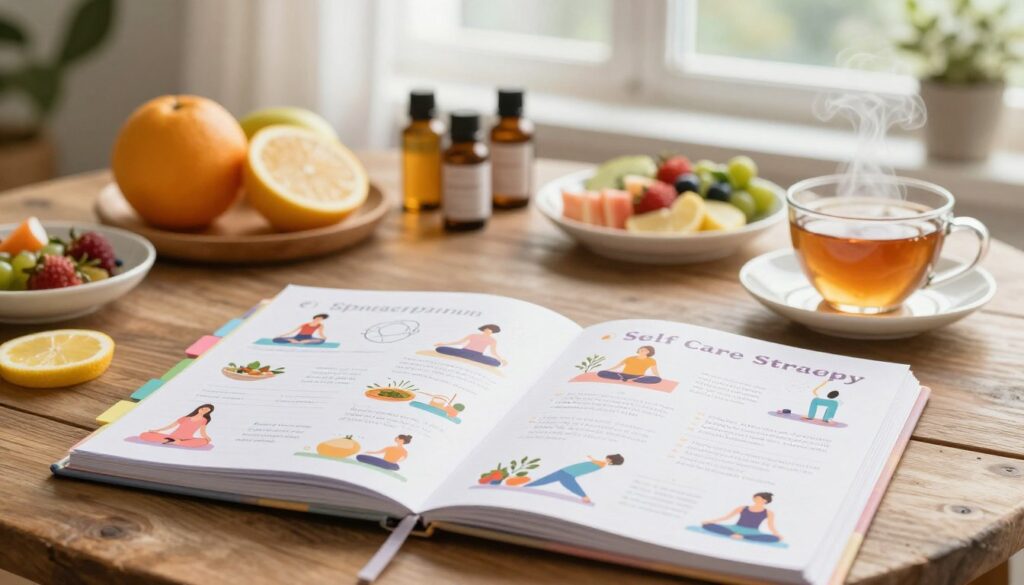
Building a “Menu” of Options, Not a Rigid Schedule
Think of your self-care plan as a restaurant menu, not a fixed itinerary. On one day, you might have the energy for the “main course”—a 20-minute walk or a proper shower. On another, you might just need an “appetizer”—five minutes of deep breathing or a hydrating snack.
Create this menu in advance. Write down options in three categories:
- Micro-Moments (5 mins or less): Sip a glass of water, step outside for fresh air, apply lotion, send a text to a friend.
- Medium-Recharge (10-20 mins): Listen to a podcast, do a gentle stretch, enjoy a hot drink alone, read a few pages of a book.
- Full-Nourishment (30+ mins): Take a nap while someone watches the baby, enjoy a leisurely bath, have an uninterrupted meal.
When you’re tired, you simply pick what feels possible from the menu. This approach is a cornerstone of sustainable postpartum recovery because it adapts to your reality.
Listening to Your Body’s Daily Signals and Adjusting
Your body and emotions give you clear feedback every day. A successful postpartum self care routine for new moms requires tuning into these signals. Is your headache telling you to drink water or close your eyes? Is your irritability a sign you need a protein snack or a moment of quiet?
Start each morning with a quick internal check-in. Ask yourself: “What do I need most today—energy, calm, connection, or physical relief?” Let the answer guide your choices from your self-care menu.
Adjusting your plan is a sign of strength, not failure. If you planned a walk but feel utterly drained, swapping it for a restful activity is the smarter choice. This responsive practice ensures your care is truly personalized and effective.
Involving Your Partner in Your Wellness Plan
You don’t have to build or execute this strategy alone. Formally involving your partner turns your wellness into a shared team goal. Schedule a brief conversation to present your self-care menu and explain its purpose.
Be specific about how they can help. You might say, “On days I’m really tired, pointing me to the ‘Micro-Moments’ list would be amazing,” or “Holding the baby for 30 minutes after dinner so I can choose a ‘Full-Nourishment’ activity is the best support.”
This turns vague support into actionable help. It makes your partner a proactive ally in your postpartum recovery tips execution, ensuring your flexible plan has the practical support it needs to thrive.
Conclusion
Your journey into motherhood is a profound transformation. Remember, a dedicated postpartum self-care routine is not a luxury. It is the essential foundation for your well-being and your ability to nurture your newborn.
Begin with simple, manageable steps. A few minutes of quiet, a nourishing snack, or accepting a friend’s offer to help are powerful acts. Be gentle with yourself as you heal.
View each small choice for your wellness as a direct investment in your family’s health. Consistent self care after childbirth builds your resilience and energy for the days ahead.
You possess the strength for this chapter. Trust your instincts, listen to your body, and embrace this new season with compassion. Your path is unique, and every step you take for yourself matters.