

I’ve spent years looking for ways to feel better when my mind starts racing. Finding methods that truly help has been a personal mission for me.
My own path with nervousness showed me something important. Even during the most overwhelming moments, there are proven paths back to a sense of calm.
Licensed clinical social worker Carmella Wygant points to seven specific strategies. These actions can help manage intense feelings right when they happen.
I want to share how this guidance changed my daily life. It taught me to handle the pressure that comes with a busy schedule.
By focusing on these practical steps, I learned to soothe my body and quiet my thoughts. This works whether I’m in my living room or out in the world.
Table of Contents
Key Takeaways
- Personal experience often drives the search for effective coping methods.
- Feeling overwhelmed doesn’t mean you’re stuck; there are ways to find peace.
- Experts like Carmella Wygant identify specific, actionable strategies for immediate help.
- Applying these methods can lead to real transformation in daily life.
- They are designed to manage tension and promote calm wherever you are.
- The focus is on practical steps you can start using right away.
- These approaches aim to build a sense of control and inner quiet.
Introduction to My Journey with Anxiety
My turning point arrived quietly, not with a crisis, but with the slow realization that my own thoughts were becoming a barrier to living fully. I saw how my internal struggles were affecting everything from my energy to my simplest daily tasks.
My Personal Experience and Challenges
It felt like a constant, low-grade drain on my spirit. Making decisions became harder, and joy in everyday moments felt just out of reach. I later learned this is a shared experience for many, which was both sobering and strangely comforting.
Taking time for myself isn’t a luxury; it’s a necessary part of my health.
The Importance of Self-Care at Home
That’s when I understood prioritizing self-care at home is essential. It became the foundation for a more balanced life. By starting with small, manageable changes in my routine, I began to rebuild a sense of control. These steps helped me manage obstacles that once seemed completely overwhelming.
Understanding Anxiety and Its Impact
Learning about the physical and emotional signs helped me see my situation not as a personal flaw, but as a human response. Many people share similar experiences with difficult emotions.
Physical and Emotional Symptoms
Research shows an estimated 31% of Americans experience these feelings at some point. This helped me understand I wasn’t alone.
My body often signals distress before my mind catches up. A racing heart and clammy hands were my most frequent warnings.

I’ve learned that an estimated 1 out of every 6 adults faces depression in their lifetime. This shows how common these struggles truly are.
How Stress Influences My Daily Life
These reactions began to shape my days. I noticed how pressure affected my focus and energy levels.
Simple tasks felt overwhelming when my stress was high. I learned to spot the triggers that intensified these moments.
| Symptom Type | Common Examples | Impact on Daily Life |
|---|---|---|
| Physical | Rapid heartbeat, sweating, muscle tension | Difficulty concentrating, avoiding activities |
| Emotional | Feeling overwhelmed, irritability, sadness | Strained relationships, reduced motivation |
| Behavioral | Procrastination, social withdrawal, sleep changes | Missed deadlines, isolation, fatigue |
Understanding this connection gave me power. I could recognize natural responses to pressure in my environment.
Anxiety Relief Techniques for Women at Home
My search for effective coping methods led me to a framework I could trust. Carmella Wygant, a licensed clinical social worker, outlines seven specific strategies. These are designed to help in the moment.
Why I Chose These Techniques
I selected these practices because they are backed by professional expertise. Carmella Wygant has proven their effectiveness in managing stress. This evidence-based approach gave me confidence from the start.
“Having a shortlist of reliable strategies changes how you face daily pressure,” notes a wellness expert.
It was important that the methods were practical and accessible. I needed tools that fit into my life without adding more complexity.
Integrating Methods into My Routine
Making these strategies part of my day was the real breakthrough. I started with small, consistent activities.
This integration provided me with practical ways to handle triggers. My reactions to tense situations became less intense over time.
Now, I have a toolkit I can rely on. It’s empowering to know I can manage my feelings wherever I am.
| Core Practice | Primary Benefit | Ease of Use |
|---|---|---|
| Focused Breathing | Calms nervous system quickly | Very High |
| Mindful Movement | Releases physical tension | High |
| Thought Reframing | Reduces mental spiraling | Medium |
This simple plan turned knowledge into lasting habit. The routine itself became a source of strength.
Breathing and Relaxation Methods
I found that the simplest tool for managing overwhelming moments was already with me: my own breath. Focusing on it provides a direct path to calm.
This practice forms the core of my daily relaxation routine. It’s something I can do anywhere, anytime I feel tension building.
Diaphragmatic Breathing Explained
Diaphragmatic breathing is my go-to method. It works by engaging the parasympathetic nervous system.
This system helps calm the body after a shock or spike in pressure. I feel a wave of quiet spread from my core.
Other Techniques Like Box Breathing
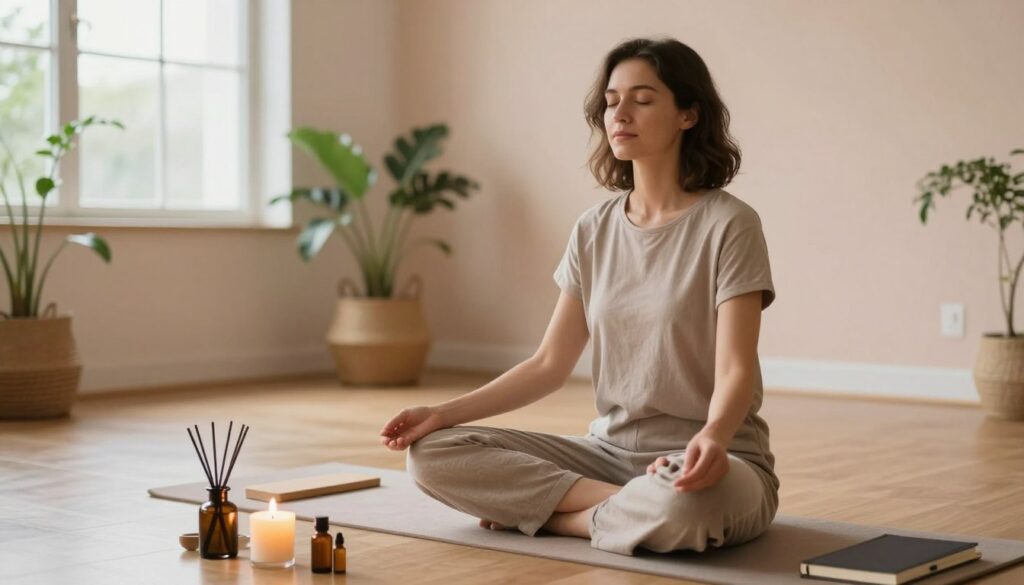
When my thoughts race, I use box breathing. It follows a four-part pattern: inhale, hold, exhale, hold.
This rhythm keeps my mind focused and present. It pulls my attention back to the current moment.
| Breathing Method | Pattern | Primary Benefit |
|---|---|---|
| Diaphragmatic | Deep, slow belly breaths | Calms the nervous system |
| Box Breathing | Inhale-4, Hold-4, Exhale-4, Hold-4 | Sharpens focus and presence |
| 4-7-8 Breathing | Inhale-4, Hold-7, Exhale-8 | Promotes quick relaxation |
Mastering these techniques gave me control. I can now regulate my internal stress response before it escalates.
Movement and Exercise for Stress Reduction
I realized that my body held the key to calming my mind through simple, consistent action. Physical movement became my anchor, a way to process pressure and regain my center.
Yoga and Gentle Stretching at Home
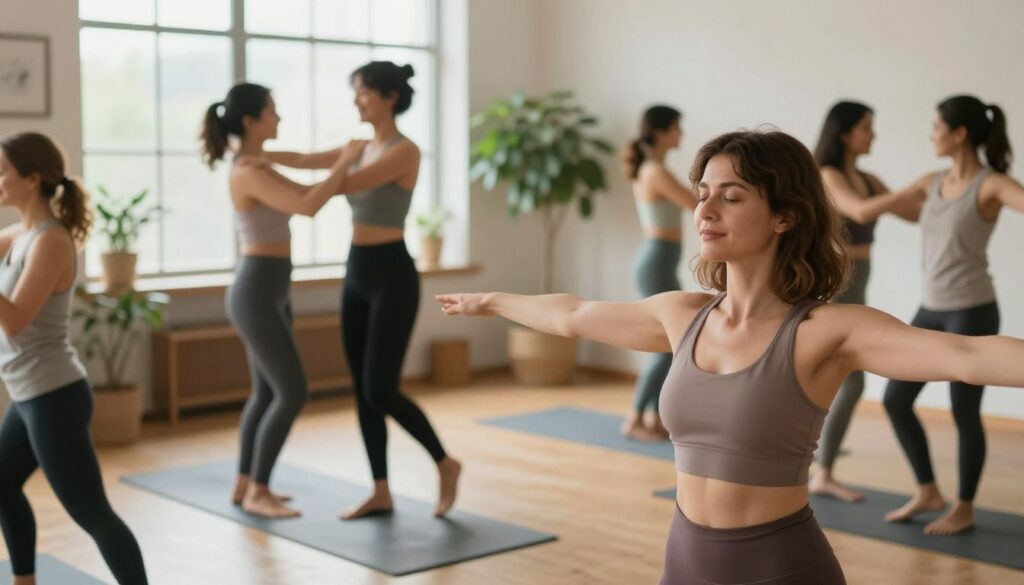
For me, yoga is an excellent way to reduce stress. It combines controlled breathing with physical focus. This dual action quiets my nervous system.
Gentle stretching releases the tension my muscles hold. After a long day, a few simple poses make a big difference. It’s a direct way to tell my body to relax.
The Role of Regular Exercise in Managing Anxiety
Experts suggest scheduling 30 minutes of exercise most days. This consistency helps regulate my heart rate and builds resilience.
Regular activity helps my system produce serotonin and endorphins. These chemicals are vital for a positive mood. They help me manage daily pressures more effectively.
| Type of Movement | Primary Focus | Key Benefit for Stress |
|---|---|---|
| Yoga & Stretching | Mind-body connection, flexibility | Releases muscle tension, promotes calm focus |
| Cardio (e.g., brisk walk) | Elevating heart rate | Boosts mood-enhancing endorphins quickly |
| Strength Training | Building muscular strength | Increases feelings of capability and control |
Moving my body is now a non-negotiable part of my routine. It directly shapes my ability to handle challenging emotions.
Mindful Practices: Meditation, Journaling, and Music
Creating moments of intentional focus became my secret weapon against a cluttered and restless mind. Therapist Kristin Yaneff lists meditation and journaling among many helpful approaches. These activities form a core part of my long-term strategy for mental well-being.
Guided Imagery and Meditation Techniques
I often use guided imagery to visualize a serene place. Research indicates this can produce feelings of well-being akin to real experience.
Daily meditation teaches me to observe thoughts without judgment. This practice cultivates an inner peace that lasts all day.

How Creating a Playlist Calms My Mind
Curating a personal music playlist is a powerful tool for me. It directly shifts my mood and distracts from nightly worries.
This simple, creative act engages my mind in a positive way. It turns a passive moment into an active soothing ritual.
| Mindful Practice | Primary Benefit | Best For | Time Required |
|---|---|---|---|
| Guided Meditation | Induces deep relaxation | Quieting racing thoughts | 10-20 minutes |
| Journaling | Clarifies emotions & patterns | Processing the day | 5-15 minutes |
| Music Listening | Lifts spirits quickly | Momentary mood shifts | Flexible |
| Breath Focus | Anchors in the present | Immediate calm | 1-5 minutes |
Together, these practices offer a versatile toolkit. They help me build resilience from the inside out.
Lifestyle Adjustments to Support Mental Health
Building a supportive lifestyle became my next logical step after mastering immediate coping tools. I saw that my daily choices created the environment where either calm or chaos could grow.
This shift in focus was about building a strong foundation. It turned my attention to the basics of health that I had sometimes overlooked.
Prioritizing Sleep and Nutrition
I now guard my sleep fiercely. Experts say adults need seven to nine hours each night, and I aim for that range to function at my best.
My nutrition plays a major role, too. I focus on complex carbohydrates that help my body produce serotonin. This supports a more stable mood throughout the day.
These aren’t just chores; they are acts of self-respect. Consistent rest and good food directly fuel my mental health.
Limiting Stimulants and Alcohol
I learned that substances like caffeine and alcohol can disrupt my system. They often interfere with my sleep quality and heighten my stress levels.
Making mindful choices here was crucial. Reducing these inputs helped create a more even emotional baseline.
By adjusting these daily habits, I built a sustainable foundation. This ongoing care is how I support my overall mental health and well-being.
Unique Strategies for Quick Anxiety Relief
I’ve cultivated a collection of rapid-response practices that help me shift my focus and mood in minutes. These are my go-to methods for moments when I need to calm my system without a long routine.
Changing My Language and Thought Patterns
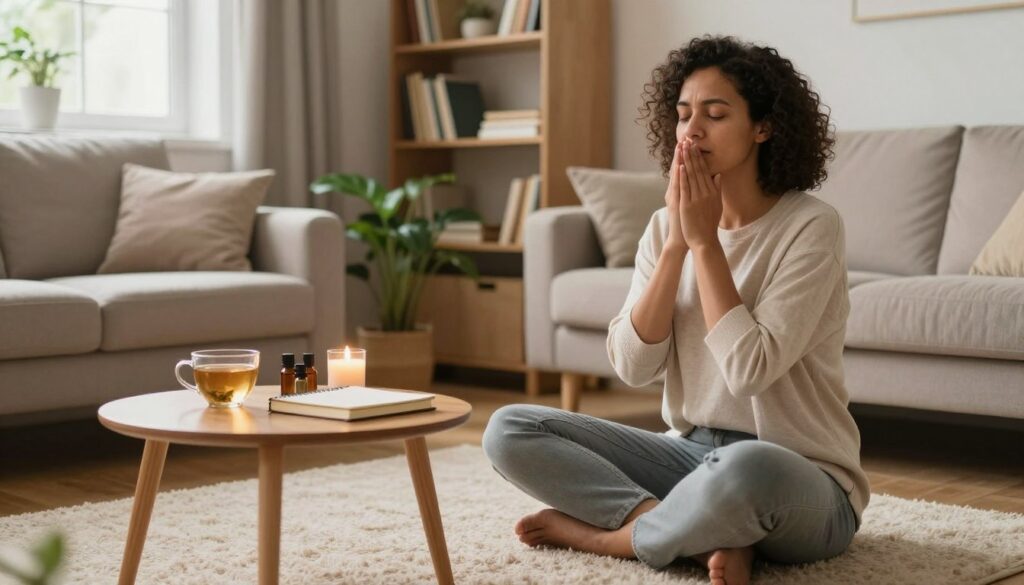
When negative things I tell myself start to spiral, I use thought blocking. I literally say “stop” in my mind and replace the worry with a rational statement.
This simple interruption breaks the cycle of stress. Another unique tactic is switching the language I think in.
If I know a second language, forcing my brain to use it creates a cognitive shift. It pulls me out of the emotional loop and into a focused, logical space.
Utilizing Aromatherapy and Fidget Tools
Scents are a powerful way to influence my state quickly. A whiff of lemon or lavender from an essential oil diffuser can lift my spirits almost instantly.
For tactile grounding, I keep simple fidget tools nearby. They occupy my hands for a few minutes, which shifts my attention away from stressful things.
Together, these strategies form an essential toolkit. They provide immediate, practical help for managing moments of anxiety.
Combining Techniques for a Holistic Approach
A holistic view of my well-being changed everything, focusing on the synergy between my mind, body, and emotions. This approach treats my mental health as a complete system, not just separate parts.
When one area is off, it affects the others. By nurturing all three together, I build stronger resilience.
Balancing Mind, Body, and Emotions
My daily plan actively addresses each area. For my body, I use movement and breath to lower my heart rate and blood pressure.
This directly helps calm anxiety in real-time. For my mind, I practice thought reframing to manage stress.
Caring for my emotions might involve journaling or music. This balance prevents anxiety and depression symptoms from taking over.
Integrating Multiple Strategies into a Daily Plan
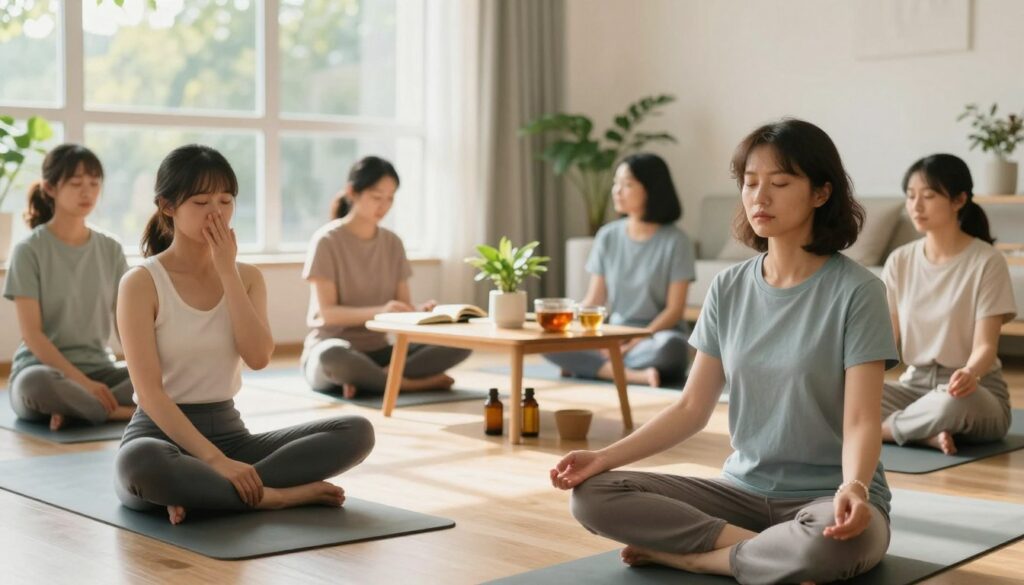
I weave different practices into a single routine. For example, combining deep breathing with light exercise is powerful.
This combo helps reduce the physical stress response quickly. Many people find a structured plan makes them feel more in control.
My primary care provider supports this method. She notes these tools help reduce chronic stress and anxiety.
Sticking to this plan makes me feel empowered. It’s my proactive way to manage anxiety and support my overall mental health.
Conclusion
The path to managing my well-being wasn’t about a single fix, but about weaving several supportive habits together. Remember, these methods for anxiety relief are meant as a starting point on your own journey.
By being consistent with sleep, exercise, and meditation, you can greatly improve your overall health and mood. This daily practice helps you manage stress and keep your stress levels in check.
It’s important to talk with your doctor if challenges continue. For professional support, you can request an appointment at MD Anderson online or by calling 1-877-632-6789.
You have the power to build a calm, thriving life. I believe in the support these steps provide for your long-term health.