
Sexy Wild Man Hot Process Soap: A Handmade, Natural Soap Recipe Tutorial
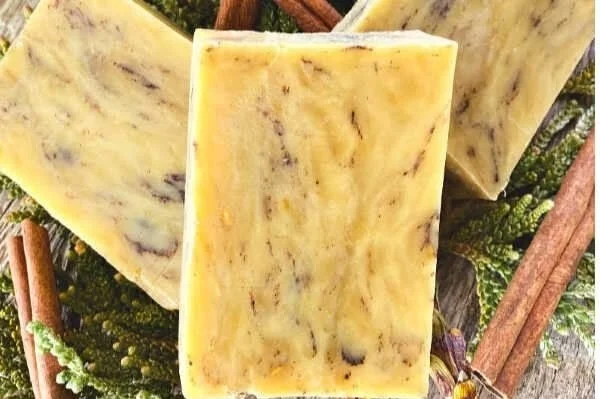
Making your own soap at home can be an incredibly satisfying and rewarding project. Not only do you get to explore your creative side, but you also have full control over the ingredients you use, ensuring a natural, skin-friendly product. Today, we’re diving into the world of soap-making with a delightful recipe for Sexy Wild Man Hot Process Soap. This invigorating blend is perfect for both men and women, boasting earthy scents and a rich lather.
Why You Will Love This Recipe
Creating your own soap is not just about saving money; it’s about nourishing your skin with natural ingredients. This hot process method allows you to create a beautifully textured soap in a fraction of the time compared to cold process methods. Plus, you’ll enjoy the calming activity of combining fragrances and oils, resulting in a unique product that can be tailored to your preferences.
Ingredients
For this recipe, you will need the following ingredients:
- Coconut Oil: 10 oz.
- Olive Oil: 10 oz.
- Palm Oil: 10 oz.
- Sodium Hydroxide (Lye): 4.65 oz. (Use a reliable soap calculator to confirm)
- Distilled Water: 10 oz.
- Fragrance Oil (your choice; we recommend cedarwood): 1.5 oz.
- Optional Colorants: Natural clays or oxides can be added for color.
Equipment
Before you begin, gather your supplies:
- A kitchen scale
- Measuring cups and utensils
- Safety goggles and gloves
- Heat-resistant container (for lye solution)
- Stick blender
- Cooking pot (stainless steel or heavy-duty)
- Soap molds
- Thermometer
- Labeling supplies
Step-by-Step Instructions
Preparation
Safety First: Ensure you are working in a well-ventilated area and wear safety goggles and gloves. Lye is a hazardous substance. Always handle it with caution.
Weigh Ingredients: Use a kitchen scale to accurately measure out each ingredient.
Making the Lye Solution
Mix the Lye: Carefully measure the lye into a heat-resistant container. Gradually add the distilled water while stirring. This will create a chemical reaction and generate heat.
Cool the Lye: Set the lye solution aside to cool while you prepare the oils.
Melting the Oils
- Melt Oils: In a pot, melt the coconut oil and palm oil over low heat. Once melted, add the olive oil and stir until fully combined.
Combining Lye and Oils
Combine: When both the lye solution and oils are around 100–110°F (37–43°C), slowly pour the lye solution into the oils.
Blend: Use a stick blender to mix until it reaches "trace," which is when the mixture thickens enough to leave a trail on the surface.
Adding Fragrance and Optional Colorants
- Incorporate Additives: Once you reach trace, blend in your fragrance oil and any colorants you desire.
Cooking the Soap
- Cook the Soap: Transfer the mixture back to the pot and cover it. Cook on low heat, stirring every 10 minutes for about 30-45 minutes. When the soap passes the "gel phase," it will look translucent and have a smooth texture.
Molding and Curing
Pour into Molds: Once cooked, carefully pour the soap into molds.
Let Set: Allow the soap to cool in the mold for 24-48 hours.
Unmold: Once firm, remove the soap from the molds and slice it into bars.
Cure: Let the soap cure for 4-6 weeks in a cool, dark area.
Tips for Success
- Use a Quality Scale: Accurate measurements are crucial for soap-making.
- Stick Blender Use: Do not blend for too long; you want trace, not to over-mix.
- Keep Clean: Clean all equipment thoroughly to avoid contamination of your soap.
Common Mistakes to Avoid
- Not Wearing Safety Gear: Always protect yourself; lye can cause burns.
- Skipping the Scale: Estimations can lead to failure in the saponification process.
- Ignoring Temperature: Both the lye and oils should be in the same temperature range for proper mixing.
Variations and Customization Ideas
- Essential Oils: Substitute the fragrance oil with essential oils for added therapeutic benefits.
- Additives: Incorporate oatmeal or honey for exfoliating properties.
- Herbs & Spices: Consider herbal infusions or natural additives like calendula petals for extra character.
Storage and Shelf Life
Store your handmade soap bars in a cool, dry place. Ensure they are fully cured before using; properly cured soap can last for up to a year (if not longer) depending on your ingredients.
Safety Tips
- Always wear protective gear when handling lye.
- Work in a well-ventilated area.
- Ensure proper storage away from children and pets.
Frequently Asked Questions
Can I use other oils?
Yes! You can substitute oils but be aware that different oils have different saponification values.What can I do with leftover soap pieces?
Leftover pieces can be melted down to create new bars or added to laundry as soap chips.Why is my soap sticky?
A sticky texture can occur if too much water was used or if the soap was not properly cured. Ensure correct measurements and extend the curing time if needed.How do I fix lye-heavy soap?
If lye has not completely saponified, consider rebatching your soap with additional fat to balance the lye content.Can I make this soap without lye?
Traditional soap-making requires lye. However, you can use a melt-and-pour soap base that does not require lye handling.
Conclusion
Now that you’ve learned how to make Sexy Wild Man Hot Process Soap, why not give it a try? This hands-on activity not only results in beautiful, fragrant soap but also allows you to engage with natural ingredients. With a bit of practice, you can confidently create customized soaps that reflect your personal style or make thoughtful, handmade gifts for friends and family. So gather your supplies, embrace your inner DIY enthusiast, and enjoy the wonderful process of soap-making!