
How To Make Goat Milk Soap
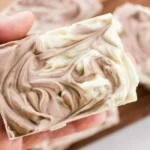
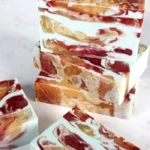
Making your own goat milk soap at home can be a delightful and rewarding project. Goat milk soap is not only nourishing for the skin but also offers a creamy lather and a gentle touch, perfect for all skin types. In this guide, we’ll walk you through the steps to create your own goat milk soap using the cold process method. Whether you’re a beginner or someone with a bit of DIY experience, you’ll find this tutorial easy to follow and full of helpful tips.
Why You Will Love This Recipe
Goat milk is rich in vitamins and minerals that can nourish and hydrate your skin. It contains lactic acid, which helps to gently exfoliate and promote skin cell turnover. By making goat milk soap at home, you control the quality of your ingredients and can customize your bars to your liking. Plus, there’s something deeply satisfying about creating a product from scratch.
Ingredients
Here’s what you’ll need to make goat milk soap:
- Lye: 4.69 ounces (133 grams) sodium hydroxide (Note: Handle lye with care, it is caustic and can cause burns)
- Distilled Water: 9.2 ounces (260 grams) for the lye solution
- Goat Milk: 9.2 ounces (260 grams), frozen or chilled (to prevent scorching)
- Olive Oil: 6.76 ounces (192 grams)
- Coconut Oil: 6.76 ounces (192 grams)
- Palm Oil: 6.76 ounces (192 grams)
- Essential Oils or Fragrance (optional): 1 to 2 ounces, depending on your preference
Equipment
To begin, gather the following equipment:
- Protective Gear: Gloves, goggles, and a mask (for lye handling)
- Digital Scale: For accurate measurements
- Stick Blender: To mix the oils and lye solution
- Soap Molds: Silicone molds work well for easy removal
- Measuring Spoons: For smaller quantities
- Thermometer: To monitor temperatures
- Heat-Resistant Mixing Bowls: For lye and oils
- Spoon or Spatula: For mixing
- Parging knife or Cutter: For cutting the soap once hardened
Step-by-Step Instructions
1. Prepare Your Workspace
Clear a work area and gather all ingredients and equipment. Make sure the area is well-ventilated. Put on your protective gear before handling lye.
2. Measure and Mix the Lye Solution
- Measure the Water: In a heat-resistant bowl, measure 9.2 ounces of distilled water.
- Add the Lye: Slowly sprinkle the 4.69 ounces of lye into the water (never the other way around) while stirring continuously. This will create a chemical reaction that heats the mixture. Allow it to cool to about 100°F (38°C).
3. Prepare the Goat Milk
- If frozen, allow the goat milk to partially thaw. You can place it in an insulated container or cool it in the fridge if needed. Keeping it cold prevents scorching during the saponification process.
4. Measure the Oils
In a separate bowl, measure out the olive oil, coconut oil, and palm oil. Combine them and gently heat them until melted. Aim for a temperature of around 100°F (38°C).
5. Combine Lye and Milk
- Add the Lye Solution to Goat Milk: Once your lye solution has cooled, slowly pour it into the bowl containing the goat milk. Stir continuously to combine.
6. Blend the Mixture
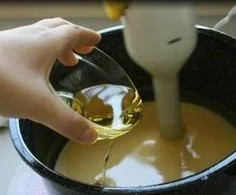
Once incorporated, use a stick blender to mix the milk-lye solution with the melted oils. Blend until it reaches "trace" – this means the mixture leaves a trail on the surface when drizzled.
7. Add Fragrance (if desired)
If you’d like to add fragrance, now is the time. Incorporate your essential oils and mix thoroughly.
8. Pour into Mold
Pour the soap mixture into your soap molds, smoothing the top with a spatula.
9. Insulate the Molds
Cover the molds with a towel or plastic wrap to keep them warm as they saponify. Allow the soap to sit undisturbed for 24 to 48 hours.
10. Unmold and Cut the Soap
After the soap has hardened, remove it from the molds. Use a soap cutter or knife to cut it into bars.
11. Cure Your Soap
Place your bars in a cool, dry place and allow them to cure for 4-6 weeks. This step is crucial for the soap to become milder and longer-lasting.
Tips for Success
- Measure Accurately: Precision is key in soap making. Always use a scale when measuring oils and lye.
- Work Safely: Keep vinegar nearby; it can neutralize lye spills. Always work in a well-ventilated area and wear protective gear.
- Patience: Allow the soap to cure properly for the best results.
Common Mistakes to Avoid
- Not Wearing Protective Gear: Lye is hazardous; always wear gloves and goggles.
- Ignoring Temperatures: Ensure your oils and lye are at similar temperatures before combining.
- Skipping the Cure Time: Curing is essential for safety and performance—don’t rush it!
Variations and Customization Ideas
- Additives: Consider adding natural exfoliants like oatmeal or herbs for texture and benefits.
- Colorants: Organic colorants can enhance the visual appeal of your soap.
- Fragrance: Experiment with different essential oils to create a personal scent profile.
Storage and Shelf Life
Once your soap is fully cured, store it in a cool, dry place. Homemade goat milk soap has a shelf life of about 12 months. Keep it away from direct sunlight to maintain its quality.
Safety Tips
- Always handle lye with caution. It’s wise to have vinegar on hand in case of spills.
- Keep lye and finished products out of reach of children and pets.
- Be familiar with your workspace and ensure that it is safe to work in before starting.
Frequently Asked Questions
1. Can I use fresh goat milk instead of frozen?
Yes, but be cautious about the temperature. Fresh goat milk can scorch if it gets too warm. Freezing and then partially thawing helps maintain a lower temperature.
2. What type of oils are best for goat milk soap?
A mix of olive, coconut, and palm oils provides a balanced soap. Olive oil offers conditioning, coconut oil creates lather, and palm oil contributes hardness.
3. Is it necessary to cure the soap?
Yes, curing allows excess water to evaporate and enables saponification to complete, resulting in a milder, longer-lasting soap.
4. Can I substitute coconut oil in this recipe?
Yes, but be aware that different oils may affect the soap’s lather and hardness. Do proper research or use a soap calculator for precise measurements.
Conclusion
Making goat milk soap at home is not only a fun and creative activity but also a wonderful way to pamper yourself and your loved ones with all-natural products. Following this step-by-step guide, you can craft a luxurious soap that’s both nourishing and delightful. Don’t be afraid to experiment with different scents, colors, and additional ingredients to make the soap truly your own. Happy soap making!