
Crafting Your Own Black Dahlia Handmade Artisan Soap
Creating your own handmade soap can be an incredibly rewarding experience, allowing you to personalize scents, colors, and skin benefits just the way you like. Today, we’re diving into a luxurious soap recipe inspired by the deep, bold fragrances of Black Dahlia. This guide is perfect for beginners looking to make their own artisan soap, complete with a rich, captivating scent and a beautiful swirl design.
Why You Will Love This Recipe
- Deep, Warm, Sophisticated Scent: The Black Dahlia soap features an alluring aroma that creates an indulgent bathing experience.
- Creamy, Skin-Conditioning Lather: It nourishes the skin with a blend of high-quality oils and tallow, ensuring your skin feels soft and hydrated.
- Long-lasting, Hard Bar: Unlike commercial soaps, this handmade version maintains its integrity for use over time.
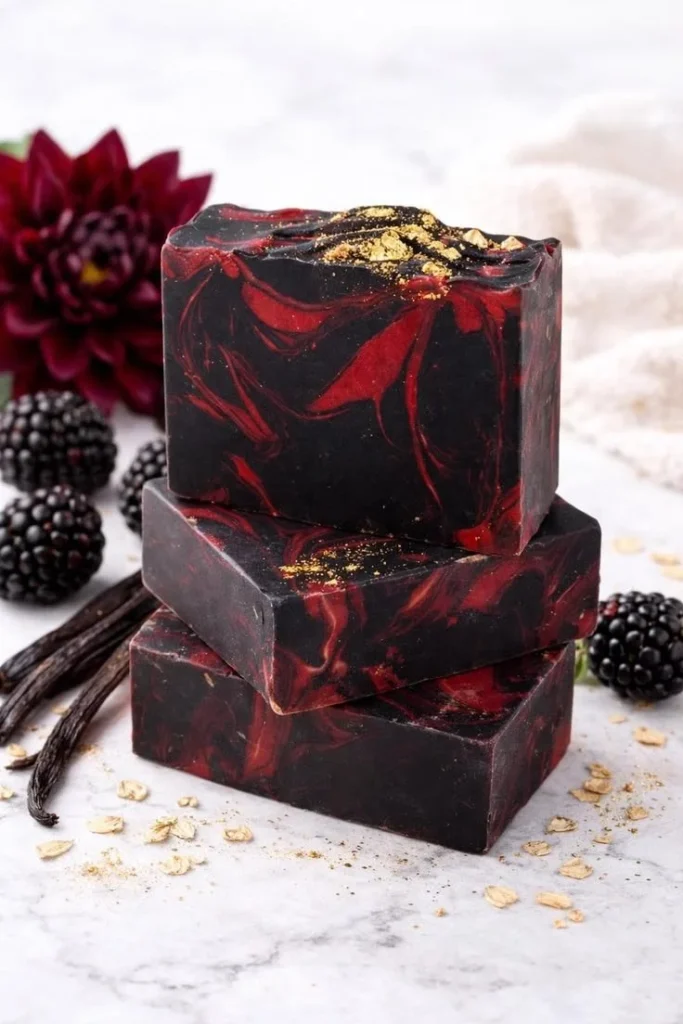
- Bold, High-End Design: The striking swirl patterns will add a touch of sophistication to your bathroom.
- Handcrafted in Small Batches: Each bar is made with care, ensuring quality and attention to detail.
Ingredients
To make your Black Dahlia soap, you’ll need the following ingredients:
Base Oils:
- 12 oz Olive Oil
- 8 oz Coconut Oil
- 8 oz Palm Oil
- 4 oz Tallow (rendered beef fat)
Lye:
- 4.5 oz Sodium Hydroxide (lye) – handle with care!
Water:
- 10 oz Distilled Water
Fragrance:
- 1 oz Dark Dahlia Fragrance Oil (make sure it’s skin-safe)
Colorants (optional but recommended for the aesthetic):
- 1 tsp Charcoal Powder for depth (adjust based on your preference)
- 1 tsp Purple Mica Powder for swirling
Equipment
Using the right equipment makes the soap-making process smoother. Gather the following:
- A digital scale for accurate measurements
- A heat-safe glass or stainless steel container for mixing lye
- A stick blender
- Two heat-safe containers for the oils and lye mixture
- A thermometer
- Soap mold (silicone works great)
- Safety goggles and gloves
- A spatula for mixing
- An apron (to protect your clothing)
Step-by-Step Instructions
Follow these careful steps to create your Black Dahlia soap:
Preparation Time: 15 minutes
Making Time: 1 hour
Yield: Approximately 10 bars
Safety First: Put on your goggles and gloves. Lye can be hazardous, so ensure your workspace is well-ventilated.
Measure Your Lye: Weigh out your sodium hydroxide accurately. Note: Always add lye to water and never the other way around to prevent dangerous reactions.
Mixing the Lye Solution:
- In a heat-safe container, measure out 10 oz of distilled water.
- Gradually add the 4.5 oz of sodium hydroxide to the water, stirring gently. The mixture will become hot; allow it to cool to around 100-110°F.
Prepare Your Oils:
- In a heat-safe container, measure and combine your olive oil, coconut oil, palm oil, and tallow.
- Heat gently (ideally to around 100-110°F) until all the oils are melted and uniformly mixed.
Combine Lye and Oils:
- Once both the lye solution and oils are at the desired temperature, slowly pour the lye mixture into the oils, blending with a stick blender until trace is achieved (the mixture thickens and leaves a trail on the surface).
Add Colorants and Fragrance:
- If using colorants, separate a portion of the soap mixture into another bowl and mix in your charcoal powder and/or purple mica.
- Then, add the dark dahlia fragrance oil to the main mix and stir well.
Swirling Technique:
- Pour the main soap mixture into your mold, followed by the colored portion. Use a skewer or a spoon to achieve a swirl pattern.
Cure the Soap: Cover your mold with a towel and let it sit for 24-48 hours. Check for saponification (it shouldn’t be soft).
Unmold and Cut: Once set, carefully remove the soap from the mold and cut into bars. Allow the bars to cure in a cool, dry area for 4-6 weeks before using or gifting.
Tips for Success
- Accurate Measurements: Always measure your ingredients carefully for the best results.
- Saponification: Ensure that your lye solution is well mixed; unmixed lye can cause burns on the skin and poor soap quality.
- Temperature: Keeping both the lye and oil mixtures within the right temperature range (100-110°F) encourages proper saponification.
Common Mistakes to Avoid
- Lye Miscalculation: Double-check your lye calculations using a reliable soap calculator to match your oil amounts.
- Ignoring Safety: Never skip gloves and goggles when working with lye; residual lye can cause burns.
- Using Unstable Containers: Use heat-resistant containers to mix your lye, as plastic can melt.
Variations and Customization Ideas
- Fragrance Options: Tailor the scent by combining different fragrance oils; think about adding florals or vanillas for a unique twist.
- Color Performances: Try using different colorants like zinc oxide for stunning designs.
- Botanical Additions: Consider adding dried flowers or herbs to the soap for texture and aroma.
Storage and Shelf Life
Stored correctly, your Black Dahlia soaps can last up to 12 months. Keep them in a cool, dry place away from direct sunlight. Ensure they dry out between usages to prolong life.
Safety Tips
- Always handle lye with care, working in a well-ventilated area.
- Wear protective gear to minimize contact with skin and eyes.
- Remember to store lye in a secure place, out of reach of children and pets.
Frequently Asked Questions
1. Can I skip the tallow?
Yes, you can substitute tallow with a different oil, but it may affect the lather and hardness of the soap.
2. What if my soap doesn’t trace?
If your mix doesn’t thicken after blending, continue mixing for a few more minutes. If still no trace, recheck your lye and oil measurements.
3. How do I know when my soap is ready to use?
Wait at least 4-6 weeks for the soap to cure before using to ensure safety and quality.
4. Can I add essential oils instead of fragrance oils?
Yes, just ensure they are skin-safe and suitable for soap making.
5. How should I store my soap once cured?
Store in a breathable container away from moisture and heat to prevent spoilage.
Conclusion
Making your own Black Dahlia Handmade Artisan Soap is a wonderful way to explore the craft of soap making while creating something unique and luxurious. With attention to detail and a little creativity, you can enjoy your own artisanal soaps while treating your skin with the gentle nourishment it deserves. So, gather your supplies, put on your favorite music, and dive into this enchanting DIY project! It’s not just soap; it’s an experience waiting for you to discover.