
Soap and Candle Making Techniques, Tools & Crafters on the Tedooo App | What an Amazing Soap of Art
Creating artisanal soap and candles at home is a fulfilling and delightful hobby that allows for endless creativity. Whether you’re drawn to the art of DIY soap making or creating beautiful scented candles, you’ll find that both crafts can bring joy not only to yourself but also to friends and family through handmade gifts. The Tedooo app is an incredible resource, connecting crafters worldwide, making it even easier to explore techniques and share ideas. In this article, we’ll delve into the various soap and candle-making techniques and share practical steps and tips for beginners.
Why You Will Love This Recipe
Crafting your own soap and candles can be incredibly rewarding. You can:
- Control the quality of the ingredients.
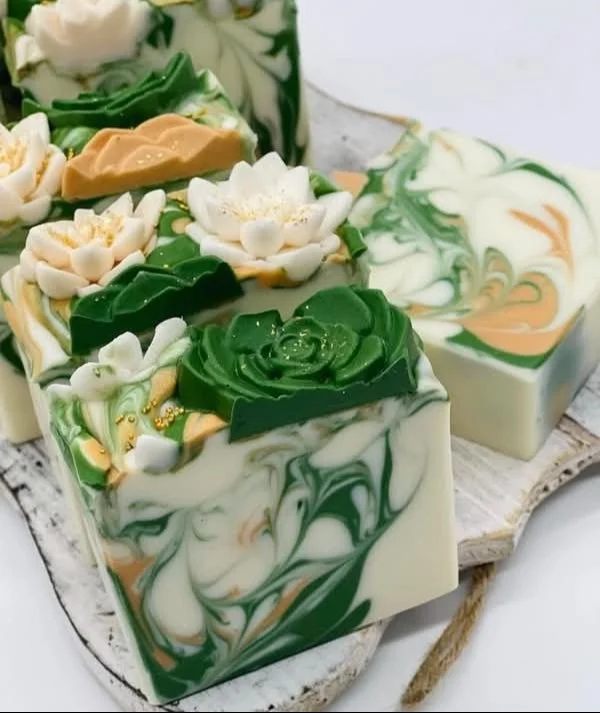
- Customize scents, colors, and shapes.
- Create unique gifts for loved ones.
Whether you prefer a velvety homemade soap or a rustic candle, this guide provides everything you need to start your DIY journey, from basic techniques to troubleshooting tips.
Ingredients
For Soap Making (Cold Process Method)
- Lye (Sodium Hydroxide): 4.5 ounces (134 grams)** (Remember, handle with care!)
- Distilled Water: 12.2 ounces (345 grams)
- Olive Oil: 9 ounces (255 grams)
- Coconut Oil: 9 ounces (255 grams)
- Palm Oil: 9 ounces (255 grams)
- Essential Oils (Optional): 1 ounce (30 ml) for scent
- Colorants (Optional): Natural colorants like turmeric or charcoal
For Candle Making
- Wax Type: Soy wax, 16 ounces (450 grams)
- Fragrance Oil: 2 ounces (60 ml)
- Wicks: Pre-tabbed wick suited for the container size
- Containers: Heat-resistant glass or metal jars
- Optional Additives: Dye chips for color
Equipment
For Soap Making
- Heat-safe mixing vessel
- Stick blender
- Scale (for precise measurements)
- Safety goggles and gloves
- Soap molds
- Thermometer
For Candle Making
- Double boiler or microwave-safe bowl
- Stirring utensil
- Wick holder
- Scale
- Thermometer
Step-by-Step Instructions
Cold Process Soap Making
Prepare Your Workspace: Ensure you have adequate ventilation and wear safety goggles and gloves.
Measure Ingredients: Precisely weigh lye and water in separate containers. Always add lye to water, never the other way around, to prevent a volcanic reaction.
Mix Lye and Water: In a well-ventilated area, slowly add lye to water, stirring until dissolved. Allow it to cool while you measure the oils.
Melt Oils: Combine olive, coconut, and palm oils in a heat-safe container. Melt them gently using a double boiler until fully liquid.
Combine Lye Water and Oils: Once both the oils and lye water are at about 100-110°F (38-43°C), slowly pour the lye mixture into the oils while blending with a stick blender until “trace” is achieved (a pudding-like consistency).
Add Scent and Color: If desired, stir in essential oils and any colorants.
Pour into Molds: Pour the soap mixture into molds and cover them with a towel for insulation.
Cure: Let the soap sit for 24-48 hours before unmolding. Cure for 4-6 weeks before using.
Candle Making
Measure Your Wax: Use a scale to measure 16 ounces of soy wax.
Melt the Wax: Using a double boiler, melt the wax slowly until it reaches 180°F (82°C) for optimal fragrance retention.
Prepare Your Containers: Secure the wick to the bottom of the container using hot glue or a wick sticker.
Add Fragrance: Once the wax is melted, remove it from heat and add 2 ounces of fragrance oil. Stir for 2 minutes.
Pour Wax into Containers: Allow the temperature to cool to 130-140°F (54-60°C) before carefully pouring the wax into your containers.
Secure Your Wicks: Use a wick holder to keep the wick centered.
Cool and Cure: Let the candles sit undisturbed for several hours until fully cooled. Trim the wick to about ¼ inch above the wax.
Tips for Success
- Temperature Monitoring: Always keep an eye on temperatures for both soap and candles. Too hot can lead to poor results.
- Patience is Key: Allow your creations to cure fully before using. This enhances their quality and longevity.
- Keep It Clean: Maintain a tidy workspace and ensure all equipment is clean to avoid contamination.
Common Mistakes to Avoid
- Incorrect Measurements: Ensure you weigh your ingredients accurately; using volume can lead to inconsistencies.
- Skipping Safety Gear: Always wear gloves and goggles when handling lye and hot wax.
- Pouring Too Fast: When pouring candle wax, do so slowly to avoid creating bubbles.
Variations and Customization Ideas
For Soap: Experiment with different oils like sweet almond or avocado for varied properties. Try different essential oils for unique scents or add herbs like lavender for texture.
For Candles: Use different types of containers, or experiment with layering scents by pouring wax in stages. Adding color can also enhance the visual appeal.
Storage and Shelf Life
- Store soap in a cool, dry place, away from direct sunlight. Homemade soap has a shelf life of 1-2 years.
- Keep candles in a cool area and ensure they are upright to prevent warping. Unused candles can last several years if stored properly.
Safety Tips
- Use proper safety equipment when handling lye and hot materials.
- Ensure good ventilation during the soap-making process to avoid inhaling fumes.
- Always follow safety guidelines when melting wax and burning candles; never leave candles unattended.
Frequently Asked Questions
1. How can I adjust the consistency of my soap?
If your soap is too thick, you may have traced too quickly. Add a bit more liquid oil and blend thoroughly.
2. Can I make candles without a double boiler?
Yes, but you must be cautious. Use low heat in the microwave and check every 30 seconds to avoid overheating the wax.
3. Why did my candle tunnel?
This can happen if the candle burned too quickly or the wick is too large. Ensure your wick is sized properly and allow it to burn long enough for an even melt.
4. Is lye necessary for making homemade soap?
Yes, lye is essential in cold process soap making as it saponifies the oils. There are lye-free soap techniques, but they differ significantly in process and results.
5. How do I know which wick to choose?
Wick selection depends on the size and type of your container and the type of wax. Many suppliers offer wick guides to help you choose the right size.
6. Can I use any oils for soap making?
While you can use many oils, the best options for beginners are those that are commonly recognized for soap making, like olive, coconut, and palm oils.
Conclusion
Creating your own soap and candles is not just an art; it’s a fulfilling journey into DIY creativity. With the right techniques, equipment, and ingredients, you can produce items that are both beautiful and functional. The Tedooo app offers a fantastic platform for learning and sharing within the crafting community, so don’t hesitate to explore and connect with fellow crafters. We hope this guide inspires you to embark on your soap and candle-making adventure. Enjoy the process, and happy crafting!