
Embracing Fragrance Discoloration with Cocoa Butter Cashmere Soap
Imagine this: you’ve just finished a long week, and you decide to pamper yourself by crafting your own soap. You’ve got all the ingredients lined up, and the scent of vanilla fills the air as you mix. But as you pour your beautiful creation into the mold, you can’t help but worry — will it turn brown? If you can relate to the frustration of dealing with fragrance discoloration in soaps, you’re not alone. But here’s the truth: instead of fighting this natural occurrence, why not embrace it?
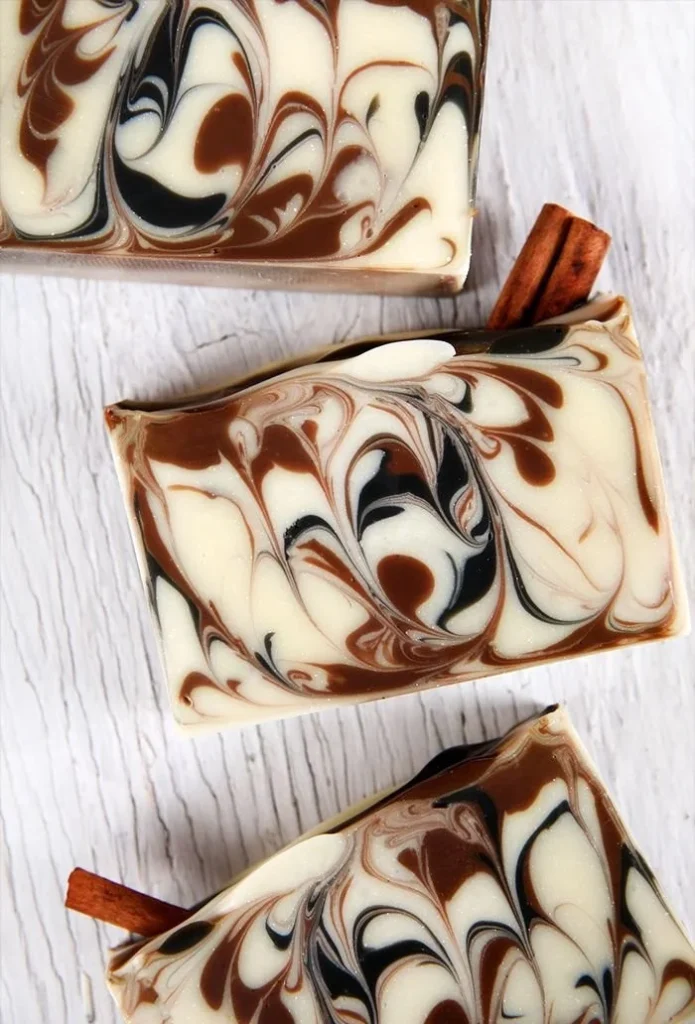
We’re diving into the artistic world of Cocoa Butter Cashmere Cold Process Soap, a stunning blend that accepts the beauty of discoloration through a rich brown and black color palette. This soap not only looks and smells divine but also provides useful insights into crafting cold process soap without fear of unattractive hues.
Understanding Fragrance Discoloration
When it comes to soap making, especially with the use of certain fragrance oils, discoloration is a common enemy. Have you ever noticed how some soaps turn a deep brown when vanilla is added? That’s due to the high vanillin content in vanilla-based fragrances, which can result in a range of brown shades, sometimes not as appealing as we’d wish. Thankfully, the Cocoa Butter Cashmere fragrance, with notes of vanilla, tonka, and coconut, embraces this characteristic beautifully.
But what if we could turn those brown hues into a deliberate design choice? Using this technique, you can create visually stunning soaps that stand out. Not only does this allow for creativity, but it also achieves a beautiful, textured look that adds character. So instead of worrying about the inevitable discoloration, let’s explore how to create beautifully dark soap with intention.
The Color Palette Shift
The key to achieving an eye-catching design with Cocoa Butter Cashmere is the color palette. For this project, we’ll create a rich black and brown palette. While the Cocoa Butter Cashmere will impart its delicious scent and glorious hues, it’s essential to keep part of the base unscented to avoid any unwanted discoloration. Oat oil will give the base a subtle yellow shade, so introducing plenty of titanium dioxide is crucial for achieving a nice neutral shade.
By using this color strategy, you’re not just ensuring that your soap remains aesthetically pleasing, but you’re also avoiding the dreaded glycerin rivers that can occur from too much water in your recipe. The ten percent water discount here will be your saving grace for a more effective unmolding process and an overall sturdy soap bar.
Carefully Chosen Ingredients
Here’s where the magic happens! When crafting your Cocoa Butter Cashmere Cold Process Soap, you’ll want to focus on using firm oils and butters. This specific blend contains mango butter, cocoa butter, and babassu oil, making it palm-free while still creating a strong, durable bar. These ingredients help to balance the softer oils in your recipe, leading to a soap that feels luxurious and creamy against the skin.
Using high-quality materials ensures that the end product not only looks good but also feels even better. The moisturizing properties of cocoa butter are particularly appealing, leaving your skin soft and hydrated.
Tips for Successful Soap Making
Preparation Is Key: Ensure you have everything ready—ingredients, tools, and molds—before starting. This makes your process smoother and more enjoyable.
Respect the Temperature: Pay attention to temperature when mixing your lye and oils. A slower trace allows for better swirling if you want to play with colors.
Be Ready for Surprises: Fragrance oils can behave differently than expected. Don’t worry if things don’t go perfectly according to plan. Sometimes these little surprises lead to the best creations.
Experiment with Designs: Considering incorporating a swirl or layer technique into your soap. It can be a fun way to add dimension and texture!
Avoid Overmixing: While you want a good integration of your lye and oils, overmixing can cause your soap to become too thick before you’ve had a chance to pour it into the mold.
Next Steps in Your Soapy Journey
So are you ready to dive into this creative experience? While you’re gathering your supplies, consider trying out some delicious-scented candles that will complement your soap-making journey. For example, easy honey vanilla candles can fill your home with warmth while you work on your soap.
You might even want to explore DIY terracotta pot citronella candles for a touch of style that will enhance your new soap-making routine. And don’t forget to check out some lavender hacks that can elevate your entire self-care regimen.
Conclusion
By embracing the natural fragrance discoloration that occurs with Cocoa Butter Cashmere and taking a creative approach, you can create stunning soap bars that not only smell incredible but also look rich and luxurious. If you’re ready to dive into this project, you can explore a step-by-step guide through the Cocoa Butter Cashmere Cold Process Soap Project.
For those interested in sourcing materials, be sure to check out the unique scent profile with Cocoa Butter Cashmere – Fragrance Oil and grab a trial size to experiment with Cocoa Butter Cashmere Fragrance Oil. Happy soap making!