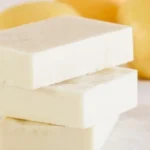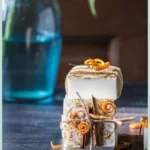
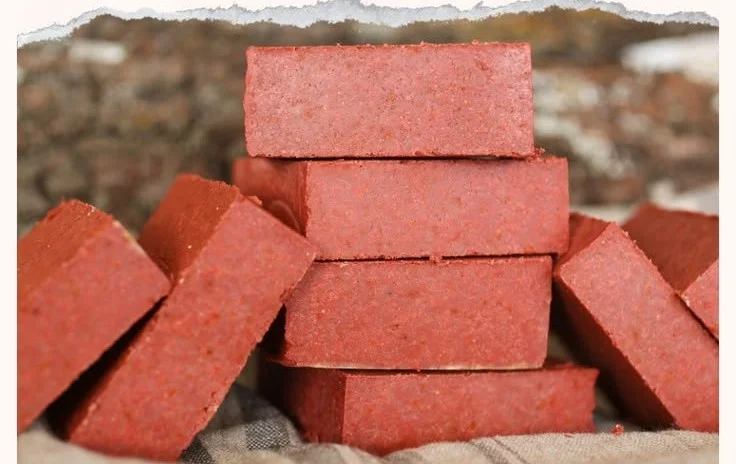

Men’s Handmade Soap Recipe | Dr. Squatch Copycat Wood Barrel Bourbon
Creating your own handmade soap can be a rewarding DIY project, and if you’re looking for a soap that combines masculinity with a touch of luxury, the Dr. Squatch Copycat Wood Barrel Bourbon soap is perfect for you. With its rich, woodsy scent and moisturizing properties, this recipe not only smells great but also nourishes your skin. Let’s dive into this fun and practical DIY project!
Why You Will Love This Recipe
- Unique Scent: The Wood Barrel Bourbon aroma is warm, inviting, and distinctly masculine.
- Moisturizing Properties: The oils used in this soap recipe will leave your skin feeling soft and hydrated.
- Natural Ingredients: Made from high-quality oils, this soap is a great alternative to commercially available products laden with synthetic additives.
- Satisfaction of Creation: There’s something fulfilling about using soap you’ve made yourself!
Ingredients
For this soap recipe, you’ll need the following ingredients:
- Olive Oil: 16 ounces (provides moisturizing properties)
- Coconut Oil: 8 ounces (creates a rich lather)
- Palm Oil: 8 ounces (adds hardness to the soap)
- Sweet Almond Oil: 4 ounces (great for sensitive skin)
- Lye (Sodium Hydroxide): 4.5 ounces (always handle with care)
- Distilled Water: 12 ounces (needed to dissolve the lye)
- Fragrance Oil: 1 ounce (look for a Wood Barrel Bourbon scent)
- Colorant (optional): Natural clay or liquid dye for a rustic finish
Note: Before beginning, it’s essential to measure all ingredients accurately.
Equipment
You’ll need some specialized equipment for soap-making:
- Safety gear: Gloves, goggles, and a mask (safety first!).
- Digital scale: For weighing ingredients accurately.
- Glass or heat-resistant plastic container: To mix the lye and water.
- Stirring utensil: A stainless-steel or silicone spatula.
- Stick blender: For mixing oils and lye solution.
- Soap mold: Silicone molds work well, or you can use a wooden mold lined with freezer paper.
- Thermometer: To monitor the temperature of your oils and lye.
Step-by-Step Instructions
Preparation Time: 15 minutes
Making Time: 1 hour
Approximate Yield: 10-12 bars of soap
Prepare Your Workspace: Ensure your workspace is clean and organized. Good ventilation is crucial when working with lye.
Safety First: Put on your gloves, goggles, and mask. Always handle lye with care, as it can cause burns.
Lye Solution:
- Slowly add the lye to the distilled water in a well-ventilated area. Never add water to lye, as it can cause a violent reaction. Stir until dissolved, and let it cool to around 100°F.
Melt the Oils:
- Combine the olive oil, coconut oil, palm oil, and sweet almond oil in a saucepan. Heat gently until melted, and then allow the oils to cool to around 100°F.
Combine the Lye and Oils:
- Carefully pour the cooled lye solution into the oils. Use the stick blender to blend until it reaches “trace”— this is when the mixture thickens and leaves a trail on the surface when drizzled.
Add Fragrance and Color:
- At trace, add your Wood Barrel Bourbon fragrance oil and optional colorant. Mix until fully incorporated.
Pour Into Molds:
- Immediately pour the soap mixture into your mold. Tap the mold on a flat surface to remove any air bubbles.
Cure the Soap:
- Cover the mold with a towel and let it sit undisturbed for 24-48 hours. This allows the soap to harden.
Cut and Cure:
- Once firm, remove the soap from the mold and cut it into bars. Allow the bars to cure in a cool, dry place for 4-6 weeks to ensure they harden completely and any residual lye is neutralized.
Tips for Success
- Always double-check your lye measurements with a reliable soap calculator to ensure safety.
- Keep a vinegar solution nearby when working with lye; it can neutralize any spills.
- Stick to high-quality oils, as they impact the final product’s quality.
Common Mistakes to Avoid
- Not Wearing Protective Gear: Always prioritize your safety when working with lye.
- Incorrect Measurements: Using the wrong amounts can result in a failed batch.
- Not Letting Soap Cure: Patience is key! Cutting and using the soap too early can result in skin irritation.
Variations and Customization Ideas
- Essential Oils: Replace the fragrance oil with your favorite essential oils for a natural scent.
- Add-Ins: Consider incorporating oatmeal for exfoliation or dried herbs for texture.
- Color: Customize the look by using different natural colorants such as turmeric or spirulina.
Storage and Shelf Life
Once cured, store the soaps in a cool, dry place away from direct sunlight. Handmade soaps can last up to one year, but their quality ensures they are best used within six months for optimal scent and lather.
Safety Tips
- Always work in a ventilated area while handling lye.
- Ensure kids and pets are away from your workspace.
- Have vinegar nearby as a neutralizer for any accidental lye spills.
Frequently Asked Questions
Q1: Can I use different oils in this soap recipe?
Absolutely! You can substitute oils, but be aware that different oils have varying saponification values, which may require recalculating your lye.
Q2: What should I do if my soap doesn’t reach trace?
Blend it a little longer. If the mixture remains too thin, you may need to start again as it indicates a failure to emulsify.
Q3: How can I tell when my soap has cured properly?
The soap will feel hard, and there should be no lye odor when it’s fully cured. You can slice it and check for any soft spots.
Q4: Is this soap suitable for sensitive skin?
The oils used, particularly sweet almond oil, are gentle and hydrating, making it suitable for sensitive skin. However, always conduct a patch test first.
Q5: Can I make smaller batches?
Yes, you can halve or quarter the recipe. Just be sure to recalculate the lye amounts with a soap calculator.
Q6: What do I do if the soap cracks or has air bubbles?
If your soap cracks, it’s likely due to overheating. Keep the temperature regulated, and for air bubbles, make sure to tap the mold gently after pouring.
Conclusion
Making your own Dr. Squatch Copycat Wood Barrel Bourbon soap is not only a fun and rewarding experience but also allows you to create a personal skincare product tailored to your preferences. With just a few ingredients and some patience, you can enjoy the craftsmanship of handmade soap that brings both luxury and rustic charm to your everyday routine. I encourage you to give this recipe a try and enjoy the satisfaction of creating something special for yourself or as a meaningful gift for others! Happy soap making!