
Vanilla and Cinnamon Hot Process Soap Recipe
Making homemade soap is a delightful and satisfying craft that allows you to create luxurious products while enjoying the process. This Vanilla and Cinnamon hot process soap recipe is perfect for the holiday season or any time you want to fill your home with the comforting aroma of fresh-baked sugar cookies. Let’s dive into this easy, step-by-step guide that will turn you into a soap-making enthusiast in no time!
Why You Will Love This Recipe
- Simple to Follow: This recipe is designed for beginners, ensuring you have a straightforward approach to soap-making.
- Deliciously Scented: The combination of vanilla and cinnamon creates a warm and inviting fragrance reminiscent of holiday treats.
- Great for Gifting: Handmade soap makes a heartfelt gift for friends and family, especially during the festive season.
- Natural Ingredients: You’ll be using all-natural ingredients, reducing the chemicals in your daily skincare routine.
Ingredients
For this Vanilla and Cinnamon hot process soap, you will need:
- 16 oz (1 lb) olive oil
- 8 oz coconut oil
- 8 oz palm oil (sustainable source)
- 2.4 oz lye (sodium hydroxide)
- 6 oz distilled water
- 0.5 oz vanilla essential oil
- 0.5 oz cinnamon essential oil
- Optional: 1 teaspoon cinnamon powder for additional color and texture
Equipment
Before you get started, gather the following equipment:
- A scale for precise measurements
- A heat-safe container for mixing lye and water
- A heat-resistant container for mixing oils
- An immersion blender or stick blender (for emulsifying)
- A thermometer (to monitor temperature)
- A soap mold (silicone molds work great)
- Safety gear: gloves, goggles, and a mask
- A spatula
- Measuring spoons
Step-by-Step Instructions
Preparation Time
- Prep Time: 10 minutes
- Making Time: 1.5 hours
- Curing Time: 24 hours
Yield
This recipe will yield approximately 8-10 bars of soap, depending on the size of your mold.
Instructions
Safety First: Put on your gloves, goggles, and mask. Ensure you’re working in a well-ventilated area.
Prepare the Lye Solution:
- Slowly measure 6 oz of distilled water into a heat-safe container.
- Carefully add 2.4 oz of lye to the water (never add water to lye) while stirring gently until fully dissolved. This mixture will heat up significantly, so let it cool to around 100-110°F.
Melt the Oils:
- In a separate heat-resistant container, combine 16 oz of olive oil, 8 oz of coconut oil, and 8 oz of palm oil.
- Heat the oils gently until the coconut oil is melted, then let them cool to around 100-110°F.
Combine Lye and Oils:
- Once both mixtures are at around the same temperature (100-110°F), slowly pour the lye solution into the oils.
- Use your immersion blender to blend the mixture until you reach “trace.” This means it has thickened to a pudding-like consistency.
Add Fragrance and Color:
- Stir in the vanilla and cinnamon essential oils and, if using, the cinnamon powder. Mix well to ensure even distribution.
Mold the Soap:
- Pour the soap mixture into your mold and smooth the top with a spatula.
Insulate:
- Cover the mold with a towel or blanket to insulate. This helps the soap go through the saponification process.
Unmold and Cut:
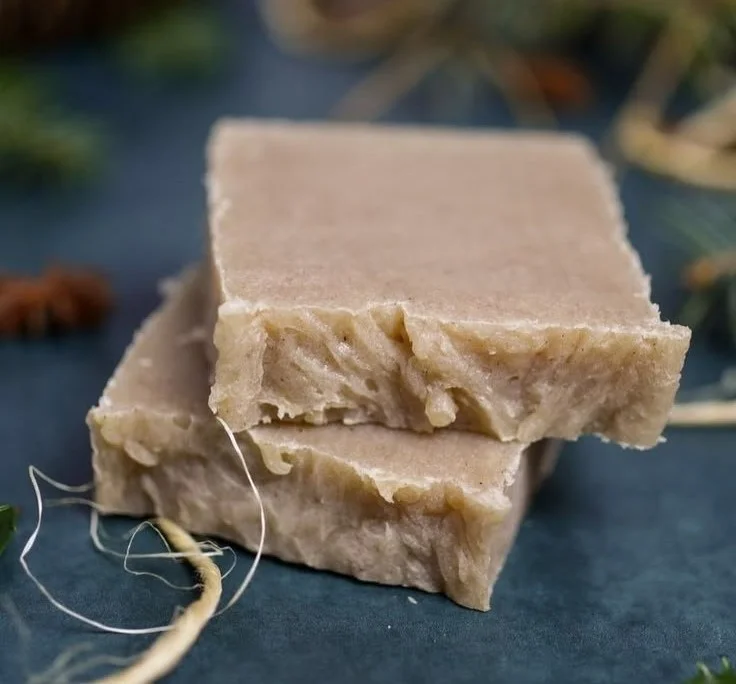
- After 24 hours, carefully remove the soap from the mold and slice it into bars.
Cure the Soap:
- Allow the soap bars to cure for at least 4-6 weeks in a cool, dry place before using.
Tips for Success
- Temperature: Ensuring your oils and lye solution are at the right temperature is crucial for achieving trace.
- Blending: Don’t over-blend. Stop once you achieve trace to avoid thickening too much.
- Fragrance: Always choose high-quality essential oils for the best scent and skin benefits.
Common Mistakes to Avoid
- Lye Mishandling: Never add water to lye; always do the opposite. Handle lye carefully and wear protective gear.
- Skipping Cure Time: Using soap before it’s fully cured can result in skin irritation due to excess lye.
- Incorrect Measurements: Always use a scale for accurate measurements; even small differences can alter the outcome.
Variations and Customization Ideas
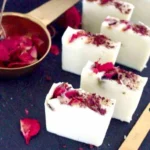
- Add Botanicals: Consider adding dried herbs or botanicals like calendula or rose petals for additional texture and visual appeal.
- Coloring: Try using natural colorants like spirulina for green hues or beetroot powder for pink shades.
- Different Oils: Substitute other oils like sweet almond oil or jojoba oil to change the properties of your soap.
Storage and Shelf Life
Store your finished bars in a cool, dry place. When properly cured and stored away from moisture, your soap can last up to 1-2 years. Keep them in a well-ventilated area to prevent them from becoming soft.
Safety Tips
- Always wear gloves, goggles, and a mask when handling lye to protect yourself from fumes and skin irritation.
- Work in a well-ventilated area to avoid inhaling any chemical fumes while mixing your lye solution.
- Ensure that you have a safe, heat-resistant container for mixing lye and water to avoid any spills or splashes.
Frequently Asked Questions
Is the lye dangerous?
Yes, lye (sodium hydroxide) is a caustic substance. Handle it with care, wearing proper protective equipment.Can I use this recipe with other essential oils?
Absolutely! You can experiment with other essential oils, but be aware that each oil may behave differently in the soap-making process.What should I do if my soap doesn’t trace?
If your mixture doesn’t reach trace after blending for several minutes, you may need to ensure your lye and oils are at the right temperatures or add a bit more blending time.Can I add colorants to my soap?
Yes! Natural colorants can be used, but ensure they are soap-safe. Test a small amount first to see how they perform.Why did my soap turn out too soft?
If your soap didn’t cure well or you used disproportionate amounts of lye and oils, it may be too soft. Ensure precise measurements next time.How can I tell if my soap is ready to use?
A properly cured soap should feel firm and dry to the touch and have a pleasant scent without harsh chemical odors.
Conclusion
Creating your own Vanilla and Cinnamon hot process soap is not only fulfilling but also adds a cozy, festive touch to your home or makes for thoughtful gifts. With the right ingredients, equipment, and guidance, you’ll quickly master the art of soap-making. Embrace the joy of DIY and bring the delightful scent of warm sugar cookies to your everyday routine. Get started on your soap-making adventure today and enjoy the process as much as the product!