
Embracing Herbal Candles for a Cozy Retreat at Home
Picture this: you’ve had a long day. Between the hustle of work, attending to family, and keeping up with everyday chores, you finally steal a moment for yourself. You reach for a candle, flick the wick, and let the warm, fragrant glow wash over you. It’s not just a candle; it’s a moment of peace, a little sanctuary amid the chaos. Now, what if that candle was infused with your favorite herbs, filling your space with intoxicating scents and potential wellness benefits? You might be wondering how to make your own herbal candles, and let’s be honest, starting with the right herbs is key.
Why Choose Herbal Candles?
We’ve all been there, right? The frustration of artificial fragrances that fall flat or worse, give you a headache. Herbal candles offer a refreshing alternative – they’re natural, customizable, and fill your home with delightful aromas that speak to your soul. Not to mention, many herbs carry properties that might enhance your mood, energize your space, or even help you unwind.
Before diving into candle-making, let’s chat about the best herbs to use. This is where the magic happens!
Best Herbs for Scented Candles
- Lavender
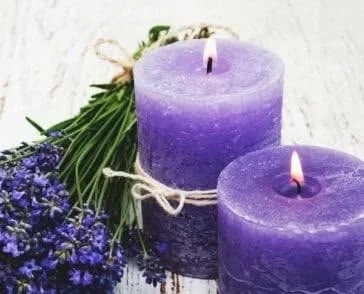
One of the most beloved choices, lavender is known for its soothing properties. If you’re looking for a fragrance that promotes relaxation and peace, lavender will be your go-to. It’s like a gentle hug in a candle. Plus, it’s incredibly easy to source—whether you grow it or pick it up at your local herb shop.
- Rosemary
Not just for cooking, rosemary adds a fresh, invigorating scent to your candles. It can help clear the mind and enhance mental clarity. So, if you need a little pick-me-up while working or studying, rosemary could become your best friend.
- Peppermint
Craving an energizing burst? Peppermint’s crisp, refreshing scent can help wake you up and even improve focus. Imagine lighting a peppermint candle while tackling that to-do list—you might find yourself feeling more motivated and focused.
- Chamomile
This is not just your bedtime tea! Chamomile carries a sweet, apple-like scent that promotes tranquility. Using chamomile in your candles ensures a gentle atmosphere—perfect for winding down after a busy day.
- Eucalyptus
Oh, the fresh, clean scent of eucalyptus! It’s uplifting and invigorating while also known for its ability to help with respiratory issues. Light an eucalyptus candle when you need to refresh your space and your mind; it’s like taking a tiny vacation to a serene spa.
- Lemon Balm
With its lemony goodness, lemon balm is not just a lovely herb for tea. It carries a light, uplifting aroma that’s perfect for energizing your space. It could also enhance your mood and reduce anxiety—what’s not to love?
- Sage
Sage candles can add a grounding scent that’s reminiscent of a summer garden. It’s also often associated with cleansing and purification, making it a powerful choice for creating a calming atmosphere at home.
- Thyme
Thyme’s earthy scent lends itself beautifully to candle-making. Known for its soothing properties, it can help calm your mind during stressful moments. Plus, it pairs wonderfully with other herbs if you’re looking to create unique blends.
- Orange Peel
This might not be traditional “herb,” but let’s not underestimate the power of citrus! Adding dried orange peel infuses candles with a vibrant, refreshing scent that can brighten your day. It’s fantastic for adding a sweet twist to your home fragrance.
- Jasmine
Need a touch of romance? Jasmine evokes a sense of calmness and helps reduce stress. Its sweet scent is perfect for creating a cozy, intimate vibe at home or during a relaxing bath session.
Creating Your Herbal Candle
By now, you might feel inspired to grab those dried herbs and get started. Making your own herbal candles is simpler than you might think! Here’s a step-by-step guide to help you on your journey.
Step 1: Gather Your Materials
You’ll need:
- Wax (soy, beeswax, or paraffin)
- Wicks (choose the right size based on your container)
- Dried herbs (from our list or your personal favorites)
- Essential oils (optional, but great for enhancing scents)
- Heat-safe containers (like glass jars or metal tins)
- Double boiler (or a microwave-safe bowl)
- A stirring stick (a wooden spoon works well)
- Thermometer (for checking wax temp)
Step 2: Prep Your Work Area
This part is crucial. Make sure your space is clean and free of clutter. Place down paper towels or newspaper to catch any spills. Set everything within reach—once the wax melts, you’ll want to work quickly!
Step 3: Melt the Wax
Using your double boiler, melt the wax until it’s fully liquid. If you’re using a microwave, heat in short bursts, stirring between until fully melted. Be mindful of the temperature; most waxes should be melted to about 170°F.
Step 4: Add Your Herbs
Once the wax is melted, you can stir in your dried herbs. Aim for about 1-2 tablespoons of herbs per cup of wax, but you can adjust based on how potent you want the scent. Mixing in some essential oils here can create a deeper fragrance bouquet if you wish.
Step 5: Attach the Wick
While your wax cools slightly, attach your wick to the bottom of your container using a bit of melted wax or adhesive. It’s essential to keep the wick centered as you pour in the wax.
Step 6: Pour It In
Carefully pour the wax into your container. Leave some space at the top—roughly half an inch will do. This will prevent wax overflow as it solidifies.
Step 7: Let It Cool
Allow your candle to cool for several hours. It’s tempting to rush this part, but patience pays off! A properly cooled candle will burn evenly.
Step 8: Trim the Wick
Once your candle has fully set, trim the wick to about 1/4 inch. This helps to ensure a clean burn and prevents soot from accumulating.
Step 9: Light Up!
Now the fun part! Light your new herbal candle and enjoy the aromatic experience you created. Take a moment to breathe in the scents and appreciate the peace you’ve crafted.
Common Mistakes to Avoid
In the process of creating your herbal candles, there are a few hiccups that can happen. Here are some common mistakes to watch out for:
- Using too much herb: While it’s tempting to think more is better, too many herbs can impact how well the candle burns.
- Neglecting wick size: Make sure you’re using the correct wick size for your candle container to avoid uneven burning.
- Rushing the cooling process: Letting the candle cool too quickly can lead to cracking in the surface.
- Using non-heat-safe containers: Always use proper materials to prevent accidents while melting wax.
Bonus Self-Care Ideas with Candles
Still looking for ways to amp up your self-care routine? Here are a few tips:
- Create a candle meditation: Light your herbal candle, close your eyes, and take deep breaths as you focus on the aromas filling your space.
- Candlelight bath: Transform your bath into a serene spa by surrounding yourself with your beautifully crafted candles.
- Dinner date ambiance: Light your candles while enjoying dinner. It’s a simple way to elevate the dining experience, whether solo or with company.
Conclusion
Making your own herbal candles can serve as a therapeutic and creative escape. Not only do you get to enjoy the fruits of your labor, but you have the added benefit of enjoying natural scents that nurture your mind and spirit. So, which herbs are you most excited to experiment with? The beautiful thing about candle-making is that it allows you to explore your favorite fragrances, colors, and styles.
Here’s the truth: we’re all in pursuit of those little moments of joy, and crafting herbal candles is a sweet way to nurture yourself while creating a cozy atmosphere at home. Whether for yourself or as heartfelt gifts for loved ones, your handmade candles will undoubtedly spark joy every time you light one. So go ahead, grab those herbs, and let your creativity flow—your self-care sanctuary awaits.