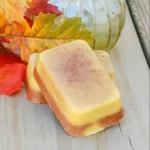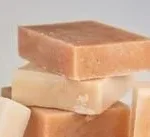
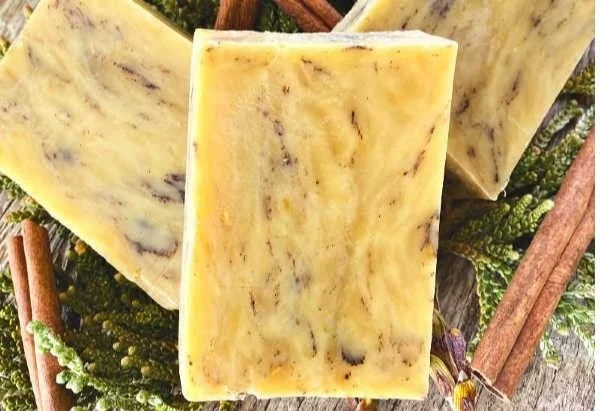

Handmade Soap Recipe: Cedar, Cinnamon, and Lemongrass Delight
If you’re looking for a unique gift idea or want to pamper yourself with a heavenly scent, this handmade soap recipe is a definite winner! The blend of cedar, cinnamon, and a hint of lemongrass creates an alluring fragrance that appeals to everyone—especially men. I haven’t encountered anyone who doesn’t love this soap! In this guide, we’ll dive into the hot process method of soap-making, ensuring that even beginners can create effective and beautiful results.
Why You Will Love This Recipe
This cedar, cinnamon, and lemongrass soap is not just about its enticing scent; it’s also about the benefits of natural ingredients. The warm woodsy notes of cedarwood evoke a sense of calm, while cinnamon is known for its invigorating properties. Lemongrass adds a refreshing kick, linking the entire experience together. Additionally, making soap at home allows you to avoid synthetic ingredients often found in commercial products.
So, let’s roll up our sleeves and get started with this fabulous DIY project!
Ingredients
For this recipe, you will need:
- Oils and Butters:
- 10 oz (283 g) olive oil
- 6 oz (170 g) coconut oil
- 4 oz (113 g) palm oil
- 3 oz (85 g) castor oil
- Lye Solution:
- 4.5 oz (127 g) sodium hydroxide (lye)
- 12 oz (340 g) distilled water
- Fragrance:
- 1 oz (28 g) cedarwood essential oil
- 0.5 oz (14 g) cinnamon essential oil
- 0.5 oz (14 g) lemongrass essential oil
- Colorants (optional):
- Natural colorants as per your preference
Equipment
You will need the following equipment:
- Safety goggles and gloves
- Digital scale
- Two heat-resistant containers (for lye and oils)
- Stick blender
- Thermometer
- Measuring spoons
- Spatula
- Soap mold
- Parchment paper (for lining the mold)
- A well-ventilated area for working with lye
Step-by-Step Instructions
Preparation Time
- Preparation Time: 20 minutes
- Making Time: 1 hour
- Yield: About 10-12 bars of soap
1. Safety First
Start by wearing your safety gear. Ensure you’re in a well-ventilated area when handling lye. It’s important to remember that lye is caustic and can cause burns. Always measure lye carefully and never add water to lye; always add lye to water!
2. Create the Lye Solution
- In a well-ventilated area, measure 12 oz of distilled water and pour it into one of the heat-resistant containers.
- Carefully measure 4.5 oz of sodium hydroxide (lye).
- Slowly add the lye to the water while stirring gently until dissolved. The solution will heat up rapidly. Allow it to cool to around 100°F (38°C).
3. Prepare Your Oils
- Weigh out the olive oil, coconut oil, palm oil, and castor oil in another heat-resistant container.
- Heat gently until the coconut and palm oils melt completely and mix with the other oils. A temperature of around 100°F (38°C) is ideal.
4. Combine Lye and Oils
- Once both the lye solution and the oils are at approximately the same temperature, slowly pour the lye solution into the oils.
- Use the stick blender to mix until the soap reaches "trace," where it leaves a visible trail when drizzled over itself. This usually takes about 5 minutes.
5. Add Fragrance and Colorants
- At trace, add the cedarwood, cinnamon, and lemongrass essential oils.
- If using colorants, this is the time to incorporate them as well. Blend gently.
6. Pour into Mold
- Pour the soap mixture into your prepared soap mold. Use a spatula to ensure all the soap is transferred.
- Smooth the top as desired.
7. Insulate and Cool
- Cover the mold with a towel or blanket to retain heat.
- Let it sit for 24 hours until fully gelled and cool.
8. Unmold and Cut
- After the soap has cooled, carefully remove it from the mold.
- Cut the soap into bars, using a sharp knife or soap cutter.
Tips for Success
- Consistency is Key: Ensure that both your lye solution and oils are at the same temperature to facilitate proper blending.
- Fragrance Matters: Choose high-quality essential oils for the best scent throw throughout the soap.
- Keep Measurements Accurate: A digital scale helps to maintain accuracy and ensure the right balance of ingredients.
Common Mistakes to Avoid
- Incorrect Lye Measurement: Always double-check lye measurements for safety.
- Skipping Safety Gear: Never skip safety goggles and gloves when working with lye.
- Rushing the Trace: Give it time to reach trace as this is crucial for soap consistency.
Variations and Customization Ideas
- Additives: Consider adding exfoliants such as ground oatmeal or coffee for texture.
- Color: Use natural colorants like turmeric for a golden hue or activated charcoal for a dramatic effect.
- Fragrance Blends: Experiment with different essential oils to create your signature scent!
Storage and Shelf Life
Store your finished soap in a cool, dry place away from direct sunlight. If kept properly, this soap can last up to a year. Make sure to wrap each bar in wax paper or store them in a container to prevent them from going rancid.
Safety Tips
- Always wear gloves and goggles when handling lye and the soap-making process.
- Work in a well-ventilated area to avoid inhaling fumes from lye or evaporating soaps.
- Do not leave lye unattended, especially if there are pets or children around.
Frequently Asked Questions
1. Can I use any kind of oil in soap making?
Yes, but different oils have different properties. Each oil contributes unique qualities, such as hardness, lather, and moisturizing properties. Always research or use a reliable soap calculator to ensure your ratios work.
2. Why is measuring lye so critical?
Measuring lye is essential due to its caustic nature. Too much lye can create a harsh soap, while too little can result in soap that doesn’t properly saponify.
3. What if I miss the trace stage?
If you miss the trace stage, continue blending until you reach it. However, be mindful not to over-blend, which can lead to a soap that’s too thick to pour.
4. Is it safe to use soap immediately after making?
It’s essential to cure the soap for at least 4-6 weeks before using it. This allows for the complete saponification of the lye and oils.
5. Can I change the essential oils in this recipe?
Absolutely! You can customize the scent by changing the essential oils. Just make sure to replace them with equivalent amounts to maintain the overall fragrance.
6. How do I know my lye solution is cool enough to add to the oils?
The ideal temperature to combine the lye solution and oils is around 100°F (38°C). Verify with a thermometer if uncertain.
Conclusion
Making handmade soap can be a rewarding and enjoyable craft that allows you to create unique, scented bars that are perfect for gifting or personal use. This cedar, cinnamon, and lemongrass recipe strikes the right balance between earthy and refreshing, making it appealing for everyone, especially the men in your life! I encourage you to gather your materials, follow the steps outlined, and create something special. Happy soap-making!