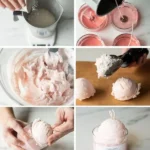
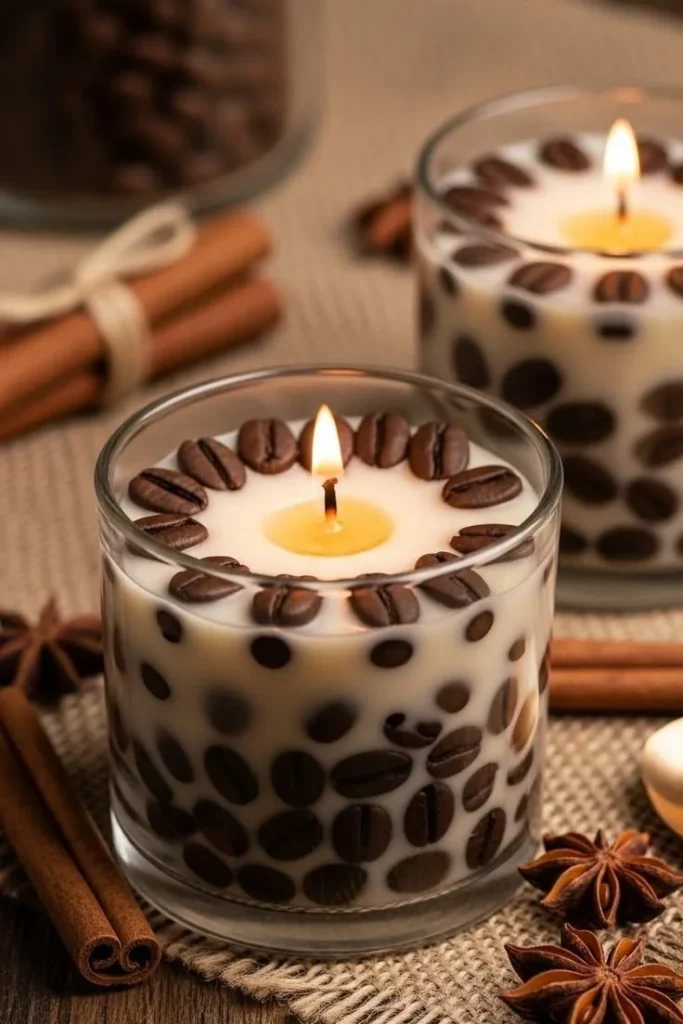

Homemade Soap and Candle Making: A Comprehensive Guide for Beginners
If you’ve ever admired a beautiful bar of soap or a lovely candle and thought, “I could make that,” you’re in the right place! Making both homemade soap and candles is a rewarding DIY project that unleashes your creativity while leaving your space smelling divine. Whether you choose to craft aromatic candles to illuminate your home or soothing soaps to nourish your skin, this guide will walk you through the essentials. Let’s dive into the wonderful world of DIY!
Why You Will Love This Recipe
There are countless reasons to embrace homemade soap and candle making. These projects not only allow you to create personalized gifts for family and friends, but they also let you control the ingredients to suit your preferences—be it natural scents, vegan choices, or hypoallergenic recipes. Plus, there’s an undeniable satisfaction that comes from holding something you’ve created with your own hands. Your candles can set a cozy atmosphere, while your soaps can elevate a daily routine into a pampering ritual.
Ingredients
For Soap Making (Cold Process Method)
Oils (Total: 32 oz / 1,000 g)
- Olive Oil: 10 oz (284 g)
- Coconut Oil: 10 oz (284 g)
- Palm Oil: 12 oz (340 g)
Lye (Sodium Hydroxide): 4.5 oz (128 g) (Always calculate using a reliable soap calculator)
Water: 12 oz (340 g)
Essential Oil for fragrance (optional): 2 oz (57 g)
- Lavender, Lemon, or Peppermint are popular choices.
For Candle Making
Wax (Total: 16 oz / 454 g)
- Soy Wax or Paraffin Wax (both work well)
Fragrance Oil (optional): 1 oz (28 g)
- Scents like vanilla, citrus, or seasonal blends.
Wicks
- Choose a cotton wick compatible with your wax type.
Containers
- Glass jars or metal tins.
Equipment
For Soap Making:
- Digital Scale
- Stick Blender
- Soap Molds
- Safety Gear (Gloves, Goggles, Mask)
- Thermometer
- Measuring Cups
For Candle Making:
- Double Boiler or Melting Pot
- Stirring Utensil
- Thermometer
- Wick and Wick Holder
- Pouring Pitcher
Step-by-Step Instructions
Homemade Soap
Preparation Time: 30 minutes
Making Time: 24 hours (including curing)
Yield: 4-5 bars
- Prepare Your Workspace: Cover surfaces and gather your materials.
- Wear Safety Gear: Put on gloves, goggles, and a mask to protect from lye fumes.
- Calculate Lye Needed: Use a soap calculator for precise measurements.
- Dissolve Lye in Water: In a well-ventilated area, pour lye into water (never the other way around). Stir until dissolved and let cool.
- Melt Oils: Combine all oils in a pot and heat until melted, then let cool to about 100°F (38°C).
- Combine Lye and Oils: When both lye mixture and oils are between 100°F and 120°F (37°C – 49°C), slowly add the lye to the oils. Use a stick blender to blend until a light trace appears.
- Add Fragrance: If using essential oils, mix them in now.
- Pour into Molds: Pour the soap mixture into molds and cover with a towel to insulate.
- Cure: Let the soap sit for 24-48 hours, then carefully remove from molds and cut into bars. Cure for 4-6 weeks before use.
Homemade Candles
Preparation Time: 15 minutes
Making Time: 1 hour
Yield: 2 medium candles
- Measure Wax: Weigh your wax using a scale—aim for 16 oz.
- Melt the Wax: Set up a double boiler; melt the wax over low heat, stirring occasionally.
- Add Fragrance: When melted, add fragrance oil; typically 6-10% of the total wax weight (for 16 oz, about 1 oz).
- Prepare Containers: Secure the wick to the bottom of your containers using a wick sticker or hot glue.
- Cool the Wax: Let the melted wax cool to about 140°F (60°C).
- Pour Wax: Carefully pour the wax into containers, leaving a small space at the top.
- Secure the Wick: Hold the wick in place until the wax starts to set. Use a wick holder if needed.
- Cool Completely: Let candles cool for several hours before trimming the wick to 1/4 inch.
Tips for Success
- For Soap: Always measure your ingredients accurately. Using a lye calculator is crucial.
- For Candles: Test different wick sizes to achieve the desired burn time and scent throw.
Common Mistakes to Avoid
- Soap: Adding fragrance too late can lead to separation.
- Candles: Pouring wax that is too hot can result in sinkholes in the finished product.
Variations and Customization Ideas
Soap Customizations
- Additives: Try including oatmeal, dried herbs, or natural colorants.
- Scent Options: Experiment with blending different essential oils for unique fragrances.
Candle Customizations
- Container Varieties: Use decorative tins, tea cups, or even mason jars.
- Layering Scents: Create layered candles for complex fragrances.
Storage and Shelf Life
Soap: Store in a cool, dry place away from direct sunlight. Properly cured soap can last up to 2 years if stored well.
Candles: Keep your candles in a cool and dry environment, away from heat sources and direct sunlight. They should last about 1-2 years.
Safety Tips
- Lye Handling: Always use gloves and goggles when handling lye.
- Ventilation: Make sure your workspace is well-ventilated, especially while making soap.
- Candle Safety: Never leave burning candles unattended, and keep away from flammable materials.
Frequently Asked Questions
1. Can I use food coloring in my soap?
While you can, it’s better to use colorants specifically designed for soap for the best results.
2. How do I know what wick size to use for my candle?
Refer to the manufacturer’s guide for wick sizing for the type and size of wax you are using.
3. Why is my soap sweating?
This can happen in high humidity or if too much water is left in the soap. Ensure it’s stored in a dry space.
4. How can I make my candles smell stronger?
Try increasing the fragrance percentage or using a combination of fragrance oils that complement each other.
5. Can I customize the recipe with different oils?
Yes! Experimenting with other oils can give you different properties, but always make sure they are suitable for soap making.
Conclusion
Homemade soap and candle making are not only fun DIY projects but also a wonderful way to express your creativity. With the right ingredients and instructions, you can craft beautiful and functional items to brighten your day or to gift to loved ones. Remember to follow safety precautions and take your time to ensure great results. Happy crafting!