
Homemade Rosemary Lavender Soap Recipe
Making your own soap can be a fulfilling project that adds a personal touch to your beauty regimen or makes thoughtful gifts for friends and family. In this article, we’re diving into a delightful recipe for Rosemary Lavender Soap, perfect for beginners and seasoned DIY enthusiasts alike. This homemade soap not only looks good but smells heavenly, thanks to the aromatic blend of rosemary and lavender essential oils.
Why You Will Love This Recipe
- Natural Ingredients: This soap uses all-natural ingredients, making it gentle on the skin.
- Aromatic Benefits: Rosemary and lavender have their own unique properties; rosemary can help stimulate circulation, while lavender is known for its calming effects.
- Customizable: You can easily modify this recipe to suit your personal preferences or dietary restrictions.
Ingredients
Base oils:
- 16 oz Olive Oil
- 10 oz Coconut Oil
- 10 oz Palm Oil (or sustainable palm oil substitute)
Lye solution:
- 6.6 oz Sodium Hydroxide (lye)
- 14 oz Distilled Water
Essential oils:
- 1 oz Rosemary Essential Oil
- 1 oz Lavender Essential Oil
Optional add-ins:
- 2 tbsp Dried Rosemary leaves
- 2 tbsp Dried Lavender flowers
Equipment
- Safety Gear: Gloves, goggles, and long-sleeve clothing
- Digital scale: For measuring ingredients accurately
- Soap mold: Silicone molds or wooden boxes lined with parchment paper
- Stick blender: For mixing the lye solution with oils
- Thermometer: To check the temperature of your oils and lye solution
- Containers: For mixing lye and oils
- Spoon and spatula: For stirring and scraping
- Measuring spoons: For essential oils and add-ins
Step-by-Step Instructions
Preparation Time: 15 minutes
Making Time: 4 to 6 weeks (for curing)
Approximate Yield: 4 to 6 bars of soap (depending on mold size)
Safety First: Put on gloves, goggles, and protective clothing. Ensure you are working in a well-ventilated area.
Prepare the Lye Solution:
- Measure 14 oz of distilled water in a heat-safe container.
- Slowly add the 6.6 oz of sodium hydroxide (lye) to the water (never the other way around), and stir until fully dissolved. Be cautious as the mixture will heat up and release fumes. Set aside to cool to about 100-110°F.
Measure Your Oils: Weigh out the olive oil, coconut oil, and palm oil in a large mixing bowl.
Melt the Oils: If your coconut oil is solid, gently melt all the oils over low heat until they reach around 100-110°F.
Combine Oils and Lye Solution: Once both the lye solution and oils are at a similar temperature, slowly pour the lye solution into the oils. Use a stick blender to mix until you reach ‘trace’—a consistency similar to custard.
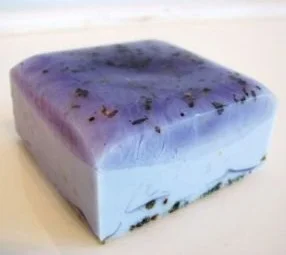
Add Essential Oils and Add-ins: When you reach trace, add in your rosemary and lavender essential oils, along with any dried herbs you want to include. Mix thoroughly.
Pour into Molds: Carefully pour the soap mixture into your molds. Tap them gently to remove air bubbles.
Insulate and Cure: Cover the mold with a towel and let it sit undisturbed for 24-48 hours until it hardens.
Unmold and Cut: When hardened, remove the soap from the mold and cut into bars.
Cure the Soap: Place the bars on a rack or a flat surface in a cool, dry area to cure for 4-6 weeks. This allows the lye to fully saponify.
Tips for Success
- Stay Organized: Measure everything before starting to make your process smoother.
- Temperature Matters: Try to keep the lye solution and oils around the same temperature for optimal mixing.
- Patience: The curing process is essential for safety and quality, so don’t rush.
Common Mistakes to Avoid
- Incorrect Measurements: Always use a digital scale for accuracy. Using typical measuring cups can lead to dangerous lye concentrations.
- Skipping Safety: Never skip safety equipment when handling lye.
- Too Much Fragrance: Although tempting, refrain from adding extra essential oils. It can irritate the skin and affect the soap’s texture.
Variations and Customization Ideas
- Color: You can add natural colorants like spirulina or turmeric for a tinted effect.
- Additional Oils: Experiment with different oils like avocado or almond for varying properties.
- Scents: Mix in other essential oils such as tea tree or eucalyptus for a different fragrance profile.
Storage and Shelf Life
Store your soap bars in a cool, dry place, away from direct sunlight. Ensure they have proper airflow to prevent moisture buildup. When cured well, these bars can last for up to a year.
Safety Tips
- Lye is extremely caustic and can cause serious burns. Always handle with caution and store it out of reach of children and pets.
- Work in a well-ventilated area or outside if possible to avoid inhaling fumes.
- Always add lye to water, never water to lye.
Frequently Asked Questions
1. Can I use other oils besides olive, coconut, and palm?
Yes! But be cautious as different oils have different saponification values, which may affect your lye calculations. Always use a reliable soap calculator.
2. What happens if my soap doesn’t set?
If it remains too soft, it may not have reached trace properly. It could also mean the lye and oils were too far apart in temperature.
3. Can I use fragrance oils instead of essential oils?
Yes, but be sure to use skin-safe fragrance oils designed for soap-making.
4. How do I know when my soap is cured?
Well-cured soap should be firm and not have any lye scent. It should feel mild to the touch and pass the "zap test"—gently touch your tongue to the soap; it shouldn’t tingle.
5. Is homemade soap safe for sensitive skin?
Most formulations can be safe, but monitor for any irritation, especially if you’re adding colorants or synthetics. Always do a patch test before regular use!
Conclusion
Creating your own Rosemary Lavender Soap is not just a fun project but also leads to wonderful, personalized gifts. By following this recipe and tips, you’re well on your way to crafting beautiful, fragrant bars of soap that enrich your bathing experience or brighten someone’s day. So gather your supplies, embrace your inner DIYer, and indulge in the art of homemade soap making!