
Embrace the Art of Homemade Soap with Natural Ingredients
Imagine this: You’ve had a long day, juggling what feels like a hundred different tasks, and all you want is a little moment of peace. You run a warm bath, light a candle, and indulge in a soothing ritual that centers on self-care. You pick up a bar of homemade soap, its natural fragrance filling the air. It feels luxurious, gentle on your skin, and you know exactly what’s in it—no chemicals, just pure, wholesome goodness.
Here’s the truth—a homemade soap can elevate your self-care routine. It’s more than just cleansing; it’s a sensory experience that connects you to nature and your creative side. If you’re like me, you’ve probably wondered how to create your own soap with ingredients like turmeric, aloe vera, and honey. So, let’s dive into this DIY journey together, exploring easy soap recipes that will not only pamper your skin but also enhance your wellbeing.
Why Make Your Own Soap?
Before we get into the nitty-gritty, let’s chat about why you might want to take this delightful plunge into soap-making.
You know exactly what’s in your soap. This choice gives you peace of mind, especially vital if you have sensitive skin or allergies. Commercial soaps often have hidden ingredients, which can lead to irritations we’d rather avoid.
Moreover, it’s eco-friendly. By making your own soap, you’re reducing plastic waste and avoiding the harsh chemicals typically found in store-bought products. Plus, you get to customize your scents and textures, making it uniquely yours.
And let’s be honest—it feels good to create something with your own hands. It’s a rewarding experience that can be incredibly therapeutic. Imagine gifting your homemade soap to friends or using it to elevate your home decor. It’s like giving a little piece of yourself.
Essential Ingredients and Tools
Before you start whirling up magical soap, you’ll need to gather a few essential tools and ingredients. Don’t worry; you probably already have many of them at home, or they’re easy to find.
Basic Tools
- Safety goggles and gloves (Safety first, right?)
- A scale (for precise measurements)
- A heat-resistant container (for melting ingredients)
- A spoon or spatula (for mixing)
- Soap mold (silicone molds are great!)
- An immersion blender or whisk (for emulsifying)
Essential Ingredients
- Base oils: olive oil, coconut oil, or shea butter
- Distilled water or aloe vera gel
- Lye (sodium hydroxide) for cold process soaps (handle with care!)
- Fragrance oils or essential oils: lavender, peppermint, or eucalyptus
- Natural colorants: turmeric, spirulina, or cocoa powder
- Add-ins: honey, oatmeal, or dried herbs
Easy Homemade Soap Recipes
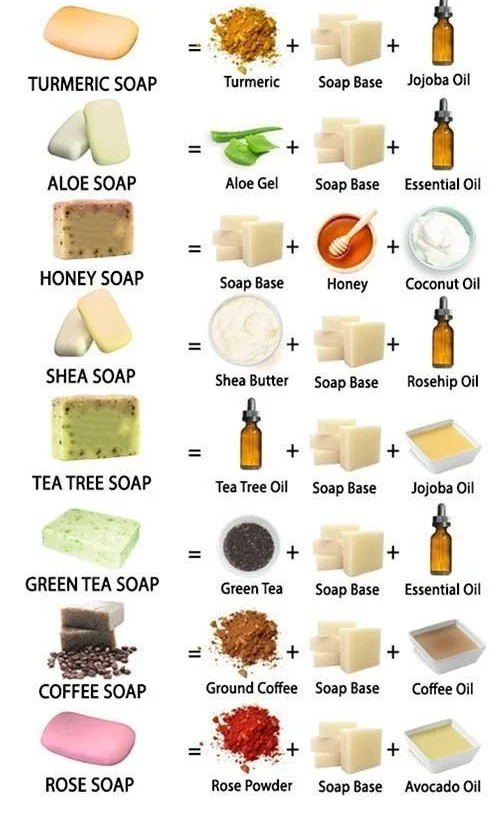
Now that we’ve covered the basics, let’s get to the fun part! Here are some easy soap recipes featuring fantastic natural ingredients like turmeric, aloe vera, and honey.
Turmeric Soap Recipe
Turmeric isn’t just for your curry; it’s a skincare superhero packed with antioxidants and anti-inflammatory properties. Here’s a simple recipe to create a vibrant golden soap.
Ingredients
- 12 oz olive oil
- 12 oz coconut oil
- 6 oz shea butter
- 6 oz distilled water
- 2 oz lye
- 1 tablespoon turmeric powder
- 1 oz essential oil (like lemon or tea tree)
Instructions
Prepare your lye solution: Always wear gloves and goggles. Slowly add lye to the distilled water (never the other way around). Stir until dissolved and let it cool.
Heat the oils: In a separate pot, melt the olive oil, coconut oil, and shea butter together.
Combine: When both mixtures are approximately the same temperature (around 100-110°F), slowly pour the lye solution into the oils while stirring continuously.
Blend: Use your immersion blender to reach a light trace, then add turmeric and essential oil.
Pour into your mold: Smooth the top and cover with a blanket or towel.
Cure: After 24 hours, unmold the soap and let it cure in a cool, dry place for about four weeks.
Aloe Vera Soap Recipe
Aloe vera is renowned for its soothing properties, making this soap perfect for anyone with sensitive or sun-exposed skin.
Ingredients
- 10 oz coconut oil
- 10 oz olive oil
- 5 oz lanolin
- 6 oz distilled water
- 2 oz lye
- 2 oz fresh aloe vera gel
- 1 oz essential oil (like lavender)
Instructions
Follow the same safety procedures. As with the turmeric soap, start by making your lye solution.
Melt the oils: Combine coconut oil, olive oil, and lanolin in a pot.
Cool: Allow both the lye mixture and the oils to cool.
Combine and blend: Slowly add lye to the oils, blend to light trace, then gently fold in the aloe vera gel and essential oil.
Mold: Pour into your soap mold, cover, and allow it to cure as before.
Honey Oatmeal Soap Recipe
Honey is nature’s moisturizer, while oatmeal gently exfoliates. Together, they create a nurturing and hydrating soap that your skin will love.
Ingredients
- 8 oz olive oil
- 8 oz coconut oil
- 4 oz shea butter
- 6 oz distilled water
- 2 oz lye
- 1 oz honey
- 1 oz ground oats
- 1 oz essential oil (like orange or chamomile)
Instructions
Preparation: As always, start with your lye solution.
Heat and melt: Combine all oils until melted and mixed well.
Add the lye: As you combine everything, gently stir in the honey.
Blend: Mix until you reach a light trace, then fold in the oats and essential oil.
Mold, cover, and cure: Follow the same curing process.
Common Mistakes to Avoid in Soap Making
Even a seasoned soap maker can hit a bump in the road. Let’s discuss some common pitfalls to steer clear of:
Skipping safety gear: Always prioritize safety. Lye can be caustic and needs careful handling.
Inaccurate measurements: Soap-making is a science. Use a scale for accuracy.
Not giving enough curing time: Patience is key. Curing not only hardens the soap but also ensures the lye has fully saponified.
Rushing the process: Take your time, especially when stirring and pouring. This will help avoid air bubbles or uneven textures.
Bonus Self-Care Ideas
Once you master soap-making, why not expand your self-care routine? Here are a few ideas that work hand in hand with your new creations:
Create a homemade body scrub: Mix sugar or salt with coconut oil and your favorite essential oils for an exfoliating treat.
Whip up a soothing bath soak: Combine Epsom salts with a few drops of lavender essential oil for a relaxing soak after a long day.
Make homemade candles: Pair your soaps with natural wax candles for a full sensory experience.
Frequently Asked Questions
Do I need special training to make soap?
Not at all! With a little research and practice, anyone can become a soap-maker. It’s all about following recipes and being mindful of safety.
How long will my soap last?
Homemade soap can last quite a while, but using properly cured bars ensures they maintain their quality for several months.
Can I customize my soap scents?
Absolutely! Feel free to experiment with different essential oils. Just make sure they’re skin-safe.
Conclusion
There’s something incredibly satisfying about crafting your own homemade soap. From the calming act of mixing ingredients to the fragrant results you can enjoy daily, it’s a beautiful way to nurture yourself. Whether you choose to blend the earthy tones of turmeric, the soothing qualities of aloe, or the nurturing touch of honey, you’re in for an enriching experience.
So, why not roll up your sleeves, gather those essential ingredients, and immerse yourself in this creative journey? You’re not just making soap; you’re creating moments of joy, self-care, and wellness. And let’s be honest—who doesn’t need a little more of that in their life? Happy soap-making!