
Building your beginner soap toolkit with a dependable digital scale
Imagine this: it’s a cozy Saturday morning. You’ve got your favorite playlist humming in the background, the aroma of a fresh cup of coffee fills the air, and you’re ready to dive into a crafting session that’s all about creating luxurious soap for you and your loved ones. The thrill of making something from scratch tugs at your heart, a little adventure waiting to unfold.
But before you get lost in the dreamy swirl of essential oils and stunning colors, there’s something crucial that you need – a dependable digital scale. If you’re new to soap making, this tool is your steadfast companion, guiding you towards that perfect bar. Let’s explore why a digital scale is so important and then dive into everything else you need to build your beginner soap toolkit.
Why a digital scale matters
It’s essential to start with the right foundation, and for soap making, accuracy is key. Here’s the truth – when you’re working with different oils, lye, and additives, precise measurements can make or break your entire batch.
The science of soap making
Soap making is both an art and a science. The process involves a chemical reaction called saponification, where fats combine with lye (sodium hydroxide) to create soap. Each ingredient plays a significant role, and even a tiny error in measurement can lead to disastrous results. Ever heard the phrase “a pinch of this and a dash of that”? That’s not how soap making works. You need exact amounts for a successful outcome – and that’s where your digital scale comes in.
A reliable scale will help you:
- Measure with precision: No more guesswork! You’ll weigh each ingredient to the gram, ensuring everything is uniform.
- Experiment confidently: Want to create a new fragrance blend or try a different oil? With a scale, you can adjust your recipe without fear of ruining it.
- Follow recipes accurately: Most soap recipes are written in weight rather than volume, so having a scale ensures you’re on point.
Choosing the right digital scale
Now that you’re convinced of the importance of a digital scale, let’s talk about what to look for. Here are some key factors to consider as you shop around:
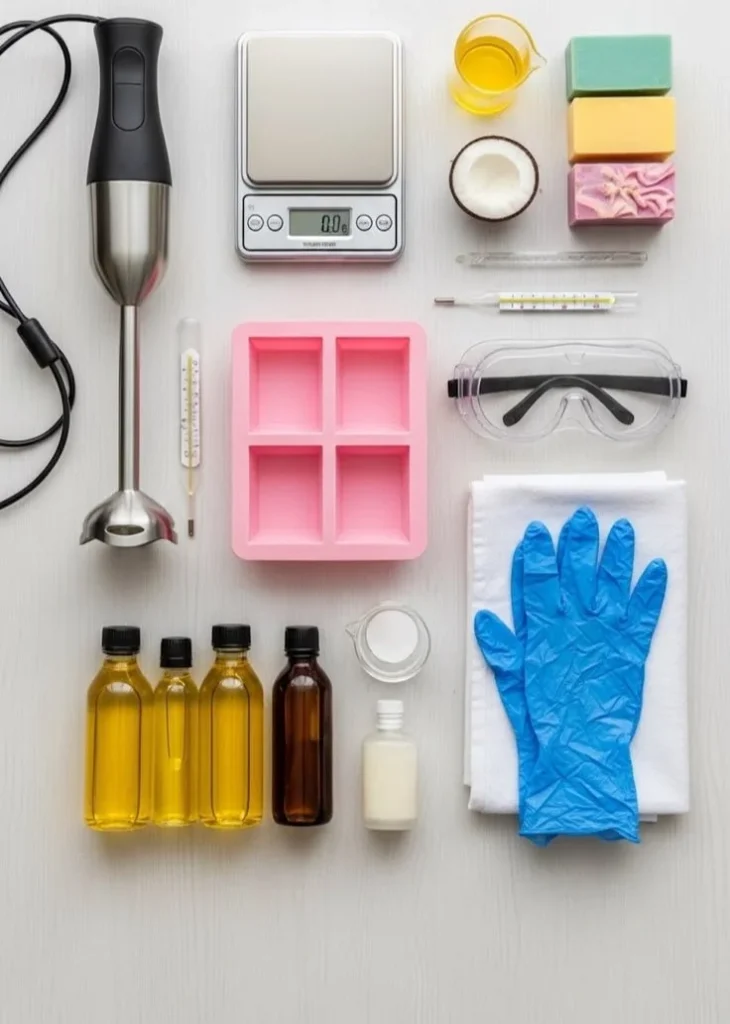
- Accuracy: Look for a scale that measures in grams and ounces, with an accuracy of at least 0.1 grams.
- Capacity: Ensure that the scale can handle larger weights, especially if you plan on making bigger batches.
- Tare function: This handy feature allows you to zero out the weight of your mixing container, making it easy to get the exact weight of your ingredients without any mess.
- Cleanability: Since soap making can get a little messy, opt for a scale with a flat surface and easy-to-clean material.
Don’t skimp on quality; this scale is going to be an essential part of your new hobby (or maybe future business!).
Essential tools for your soap making journey
Now that your digital scale is sorted, let’s walk through the rest of your beginner soap toolkit. Here’s what you’ll need to set yourself up for success in your soap making endeavors.
Mixing Bowls
You’ll need sturdy, heat-resistant mixing bowls. Glass or stainless steel bowls work well. Avoid plastic if you plan on using hot lye, as it can melt or warp. Consider having a few sizes handy for different stages of soap making.
Stick Blender
A stick blender (immersion blender) is a game-changer for soap making. It helps to quickly and efficiently blend oils and lye together, speeding up the trace process. Look for one that’s easy to clean and has a good power rating.
Safety Gear
Let’s address the elephant in the room: lye can be dangerous. You’ll need some safety equipment to protect yourself. This includes:
- Gloves: Nitrile gloves are best as they provide good protection from lye.
- Goggles: Protect your eyes from splashes.
- Mask: A mask will help you avoid inhaling any lye dust.
You might think, “This sounds intense!” But trust me, it’s all part of being a responsible soap maker.
Soap Molds
You have options when it comes to molds. Silicone molds are flexible and easy to use, or you can opt for wooden molds if you want to make larger batches. Look for molds that will help you with easy release, so you don’t end up with soap stuck to the sides.
Thermometer
A reliable thermometer is critical if you want to keep tabs on the temperature of your oils and lye solution. Both need to be around the same temperature for optimal saponification. An infrared thermometer also works well, allowing you to easily check the temperature without direct contact.
Lye and Oils
Of course, you can’t make soap without the actual ingredients! Choose high-quality oils that meet your skin’s needs – like coconut for lather, olive for moisture, and palm for hardness. Don’t forget to pick up sodium hydroxide (lye). And remember, always handle lye with care.
Additives
Once you’ve got the basics down, you might want to experiment with additives like:
- Essential Oils: For natural fragrance and therapeutic benefits.
- Colorants: Natural micas or herbal powders can add a lovely hue to your creations.
- Botanicals: Dried flowers, oats, or honey can enhance the look and feel of your soap.
Scale your recipes
As you’re building your toolkit, think about how often you plan on making soap. If it’s going to be a regular gig, it’s wise to scale your recipes appropriately. Having a clear system of multiplying or dividing your recipe measurements can save you time and frustration.
Common mistakes to avoid
Every newbie soap maker has had a mishap or two along the way. Here are some common mistakes to watch out for, so you can skip straight to success:
- Skipping the scale: It may be tempting to eyeball it, but resist!
- Not mixing fully: Incomplete mixing can lead to oils not saponifying properly, resulting in a greasy bar.
- Ignoring safety: Make safety a priority, or you could end up with a nasty burn.
- Using the wrong oils: Some oils have different saponification values, so double-check your ingredients!
Quick beauty tips
- Use high-quality ingredients for the best results. You’re making something that touches your skin, after all!
- Always test your soap on a small patch of skin before using it all over.
- Embrace imperfections; each bar you make will teach you something new.
Bonus self-care ideas
What if you took soap making up a notch? Here are some ideas to enhance your self-care experience:
- Soap-making parties: Invite your friends over for a fun crafting experience. It’s a lovely way to bond and share tips.
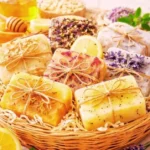
- Gift your creations: Beautifully wrapped soaps make wonderful and thoughtful gifts for friends and family.
- Experiment with themes: Make seasonal soaps (think autumn scents or fresh florals) for added fun and creativity!
Conclusion
As you embark on your soap-making journey, remember that it’s more than just crafting; it’s about self-love, creativity, and nurturing your well-being. Having a reliable digital scale and a thoughtfully curated toolkit will set you on the path to beautiful, handmade creations that don’t just look stunning but pamper your skin too.
We’ve all been there – standing in the kitchen, excited yet anxious about our first batch. But with the right tools and mindset, you’ll soon be whipping up gorgeous soaps that spark joy.
So gather up your items, keep that scale close, and let your creativity flow. You’re not just making soap; you’re crafting a piece of art that reflects your unique self. Happy soap making!