
Make Your Own Rosemary Mint Candle: A Simple DIY Gift Idea
With the holiday season in full swing, now is the perfect time to craft meaningful gifts that come straight from the heart. This year, why not try making a rosemary mint candle scented solely with pure essential oils? Candle making is a delightful DIY project that results in beautiful, fragrant candles ideal for cozying up your space or giving as a thoughtful handmade gift.
Why You Will Love This Recipe
This homemade rosemary mint candle is not only easy to make but also takes advantage of natural ingredients. Using essential oils means that you’re not releasing harmful synthetic fragrances into your space, making it a healthier option for you and the environment. Plus, the combination of rosemary and mint offers a refreshing fragrance that can invigorate your senses and create a serene ambiance in any room.
Ingredients
To make your rosemary mint candle, you’ll need the following:
- Soy wax: 1 pound (approximately 453 grams)
- Essential oils: 1 ounce (30 ml)
- Rosemary essential oil: 0.5 ounce (15 ml)
- Peppermint essential oil: 0.5 ounce (15 ml)
- Wicks: Two cotton or wood wicks (length depending on your container size)
- Dyes (optional): Candle dye chips (if you want to color your candles)
Equipment
Make sure you have the following tools on hand:
- Heat-resistant container (e.g., glass jars or metal tins)
- Double boiler or a microwave-safe container
- Stirring utensil (preferably wooden or stainless steel)
- Thermometer (digital or candy thermometer)
- Wick holder or tape (to keep the wick centered while pouring)
- Scale (to measure wax and oils)
- Pouring pitcher (for easy candle pouring)
- Safety gloves (optional but recommended)
Step-by-Step Instructions
Prepare Your Workspace: Set up a clean, flat workspace free of clutter. Lay down newspaper or paper towels to catch any spills, and gather all your materials.
Measure the Wax: Weigh out 1 pound (approximately 453 grams) of soy wax using a scale. Soy wax is an excellent choice for candle making as it burns cleanly and provides a great scent throw.
Melt the Wax:
- If using a double boiler: Fill the bottom pot with water and bring it to a simmer. Place the wax in the top pot and allow it to melt completely, stirring occasionally.
- If using a microwave: Place the wax in a microwave-safe container and heat in 30-second increments, stirring between sessions until fully melted.
Check the Temperature: Once melted, use a thermometer to check the wax temperature. The ideal pouring temperature for soy wax is around 130-140°F (54-60°C).
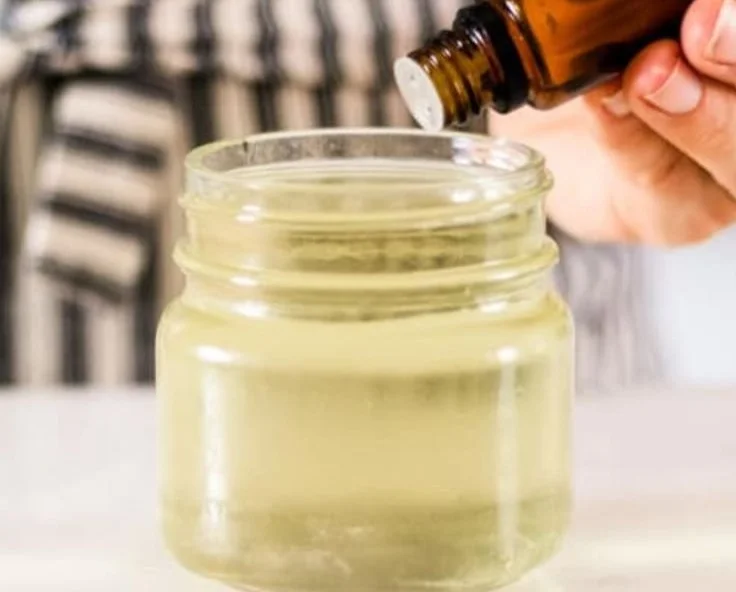
Add Essential Oils: Remove the wax from heat and add your essential oils. For a balanced scent, blend 0.5 ounce of rosemary oil and 0.5 ounce of peppermint oil into the melted wax. Stir gently but thoroughly for 1-2 minutes to ensure the oils are evenly distributed.
Prepare the Wicks: While the wax cools slightly, attach the wick to the bottom of your container using a wick adhesive dot or a small amount of melted wax. Center the wick using a wick holder or tape.
Pour the Wax: When the wax has cooled to around 130-140°F (54-60°C), carefully pour it into your prepared container. Fill it to the desired level, leaving a small amount of space at the top.
Secure the Wicks: Ensure the wick remains centered as the wax cools. Allow the candle to cool completely, which may take several hours.
Trim the Wick: Once the candle is completely cooled, trim the wick to about 1/4 inch (0.6 cm) above the surface of the wax.
Cure the Candle: For the best scent throw, allow your candle to cure for a few days before burning.
Tips for Success
- Stir Slowly: When adding essential oils to melted wax, stir gently to avoid introducing too many air bubbles.
- Testing Wicks: If you’re using a new wick or container, do a wick test to find the right size for your candle’s diameter. This ensures an even burn.
- Labeling: If you’re giving these candles as gifts, consider labeling them with the scent and date made.
Common Mistakes to Avoid
- Overheating the Wax: Soy wax can lose its properties if heated above 180°F (82°C). Always monitor the temperature closely.
- Skipping the Cure Time: Burning the candle too soon after making it may lead to a weaker scent. Curing allows the wax and oils to bind effectively.
- Too Much Oil: Adding excess essential oil might lead to a wax that won’t set properly and could create a fire hazard when burning.
Variations and Customization Ideas
- Different Scents: Experiment with other essential oil blends like lavender and eucalyptus, or citrus oils for a fresh scent.
- Coloring Your Candle: If you’d like to add visual appeal, incorporate natural dye chips designed for candle making.
- Decorative Additions: Consider adding dried rosemary leaves or mint leaves to the wax for a lovely aesthetic touch.
Storage and Shelf Life
Store your finished candles in a cool, dry place away from direct sunlight. Properly made soy candles can last up to 1-2 years if stored correctly. Keep them in their containers until ready to use, and make sure they are fully cooled before covering.
Safety Tips
- Always work in a well-ventilated area.
- Do not leave melting wax unattended on the stove or in the microwave.
- Avoid skin contact with the hot wax to prevent burns.
- Ensure that the candle is placed on a heat-resistant surface when burning.
Frequently Asked Questions
1. Can I use other types of wax?
Yes, while this recipe uses soy wax for its clean burn and easy handling, you can also use beeswax or paraffin wax. Just be aware that melting points and pouring temperatures may vary.
2. How do I know if my candle wick is the right size?
The wick should produce a steady flame that isn’t too large (which could cause soot) or too small (which could cause tunneling). Test different sizes for the best results.
3. How long do I need to cure my candles?
A good rule of thumb is to allow your candles to cure for at least 48 hours, but longer curing can enhance scent throw, sometimes up to two weeks.
4. Can I use synthetic fragrance oils instead of essential oils?
Absolutely! If you prefer a stronger scent and a wider range of fragrances, synthetic oil can be used, just be sure to follow the recommended usage rates.
5. What should I do if my candle doesn’t set properly?
If the candle remains soft or sticky, you might need to double-check your measurements and temperatures. Melt it again gently, then pour a new layer of wax on top to finish it.
Conclusion
Making your own rosemary mint candle is a fulfilling DIY project that not only brings warmth and fragrance into your home but also serves as a thoughtful personalized gift for loved ones. With simple ingredients and easy-to-follow steps, you’ll create a beautiful candle that shines bright this holiday season. Gather your materials, set aside some time today, and let your creativity flow—your handmade candles are just a melt and pour away! Give it a try, and you’ll undoubtedly delight in the process as well as the result.