
Light Up Your Space With These 10 Stunning Homemade Candles
Creating beautiful, aromatic candles at home is a fulfilling DIY project that adds warmth and charm to any space. Whether you’re looking to brighten your home décor or make thoughtful handmade gifts, this guide provides you with ten stunning homemade candle ideas that you can easily replicate. With a range of scents, styles, and techniques, you’ll find a project that excites your creativity and infuses your space with light and fragrance.
Why You Will Love This Recipe
Homemade candles are not just about aesthetics; they also allow you to personalize your space and create a cozy atmosphere. Candles can evoke memories and feelings through their scents, making them perfect for any occasion—from tranquil evenings to lively gatherings. Furthermore, making your own candles is a fun and satisfying process that lets you experiment with different fragrances and designs.
Ingredients
For each of the ten candle ideas listed below, basic ingredients and supplies include:
Wax: You can use paraffin, soy, beeswax, or palm wax. For this guide, we’ll focus primarily on soy wax as it’s popular, easy to work with, and burns cleanly.
- Amount: 1 pound (16 ounces) of wax produces about 3-4 small candles.
Fragrance oils: Optional, based on your preference.
- Amount: Typically, 1 ounce of fragrance oil per pound of wax is sufficient.
Dyes: Optional, to add color to your candles.
- Use: Follow the dye manufacturer’s specifications.
Wicks: Cotton or wood wicks work well. Choose the appropriate wick size for your candle diameter.
Equipment
- Double boiler or a microwave-safe container
- Stirring utensil (wooden spoon or metal spatula)
- Thermometer (optional but recommended)
- Candle containers (glass jars, teacups, or molds)
- Wick holder or adhesive tabs (to secure wicks in place)
- Scale (for accurate measurements)
Step-by-Step Instructions
Basic Candle Recipe
Prepare Your Workspace: Cover your working area with newspaper or a disposable tablecloth to protect surfaces from spills.
Measure Your Wax: Use a scale to weigh out your soy wax. Depending on the size of your containers, 14-16 ounces should make 2-3 candles.
Melt the Wax:
- Double Boiler Method: Fill the bottom pot with water and place it on the stove to simmer. Pour the wax into the top pot and let it melt slowly, stirring occasionally.
- Microwave Method: Heat wax in a microwave-safe container in 30-second intervals, stirring in between until fully melted.
Add Fragrance and Dyes: Once melted (around 170°F to 180°F), add your fragrance oil and any dyes. Stir well to combine.
Prepare Wicks: While the wax is cooling to about 140°F, secure your wick in the center of your container using adhesive tabs or hot glue.
Pour the Wax: Carefully pour the melted wax into your containers, leaving about half an inch of space at the top.
Secure Wicks: Use a wick holder to keep the wick centered as the candle cools and hardens.
Cool Down: Allow the candles to cool completely at room temperature for several hours.
Trim Wicks: Once cooled, trim the wick to about ¼ inch above the wax.
Enjoy or Gift: Your homemade candles are ready! Light them up and enjoy the ambiance or wrap them beautifully for gifts.
Tips for Success
Temperature Matters: The temperature at which you pour your wax affects texture and scent throw. Always monitor the wax temperature.
Scent Test: Test your fragrance strength in a small batch before making larger candles; some scents can be overpowering.
Common Mistakes to Avoid
Overheating Wax: Avoid overheating the wax as it can alter the scent and appearance.
Incorrect Wick Size: A wick that is too small won’t burn properly; too large can lead to excessive soot. Research wick sizes based on container width.
Skipping the Cure Time: Allow your candles to cure for a couple of days to achieve the best scent throw.
Variations and Customization Ideas
Scent Layering: Try combining different fragrance oils for unique scent profiles!
Color Customization: Use a mix of colors for a gradient effect in your candles.
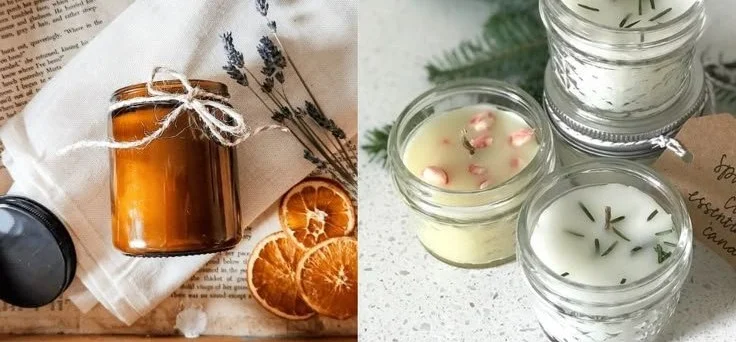
Natural Additives: Add herbs, dried flowers, or spices for decorative touches.
Storage and Shelf Life
Store your homemade candles in a cool, dry place away from direct sunlight. When properly stored, they can last for up to a year.
Safety Tips
Always work in a well-ventilated area when melting wax and mixing fragrances.
Use heat-resistant gloves when handling hot materials.
Never leave burning candles unattended, and keep them away from flammable materials.
Frequently Asked Questions
1. How do I know which wick to use?
Use wick sizing guides based on the diameter of your candle container and the type of wax used. A larger container requires a thicker wick.
2. What can I use instead of fragrance oils?
You may safely use essential oils, but they tend to have a subtler scent throw than fragrance oils.
3. Can I reuse candle wax?
Yes, but it’s best to combine leftover wax and ensure it’s clean and free from contaminants.
4. How do I fix uneven burning?
If your candle burns unevenly, try trimming the wick shorter or moving it to a cooler location.
5. What should I do with leftover wax?
Consider using it for a new candle or pouring it into a wax warmer.
Conclusion
Making your own homemade candles is an enjoyable and rewarding activity that not only brightens up your space but also offers thoughtful gift-giving opportunities. With creativity and practice, you can explore different DIY projects that suit any occasion. Get started today, and illuminate your home with your unique touch! Whether you’re enjoying your creations or sharing them with friends, the joy of candle-making is truly illuminating.