
Blueberry Pie Soap Bar: A Delightful DIY Project
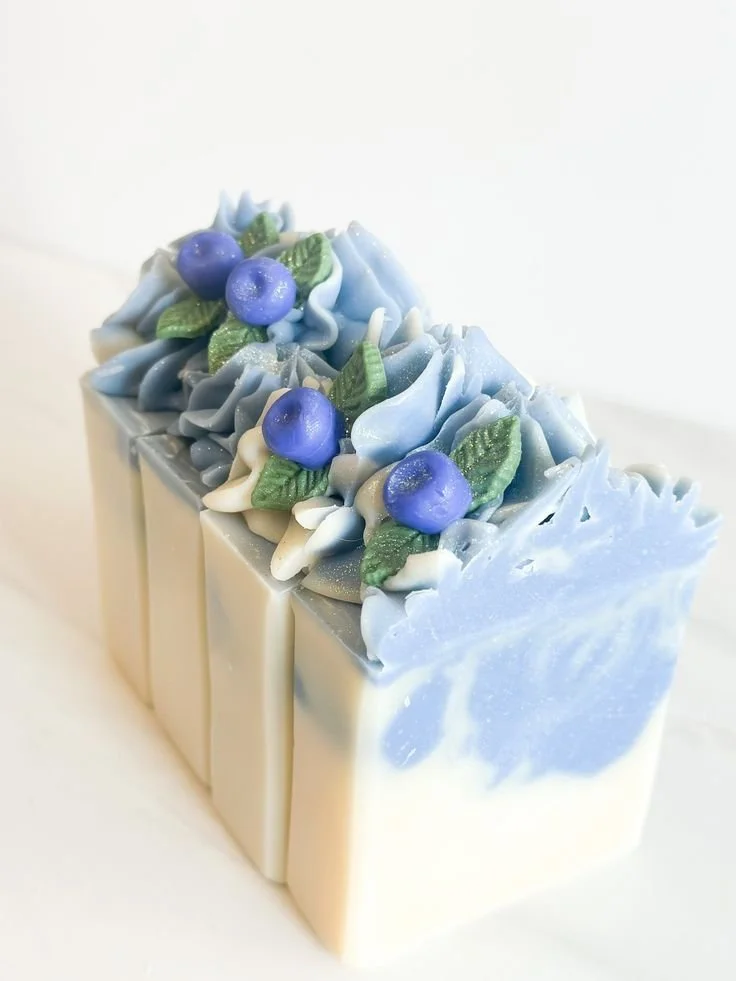
Creating your own homemade soap can be a wonderfully satisfying endeavor, especially with a recipe that invites the playful essence of summer into your home. The Blueberry Pie Soap Bar combines the enchanting aroma of blueberries with comforting notes of vanilla, making every wash a delightful experience. Perfect as a gift or a personal treat, this natural soap is easy to make, allowing even beginners to craft their very own artisanal soap.
Why You Will Love This Recipe
The Blueberry Pie Soap Bar not only appeals to the senses with its fragrance but also provides a wholesome, gentle cleanse for your skin. Made with natural oils and butters, this soap helps lock in moisture, making it suitable for all skin types. As a fun and engaging project, working with this recipe can boost your confidence and creativity while promoting sustainable living through homemade products.
Ingredients
To create approximately 2-4 bars of Blueberry Pie Soap (each bar weighing around 5.5 ounces), gather the following ingredients:
- Olive Oil: 6 oz (for moisturizing properties)
- Coconut Oil: 4 oz (for lather and hardness)
- Organic Cocoa Butter: 2 oz (for a creamy texture)
- Palm Oil: 2 oz (to stabilize and harden the soap)
- Water: 6 oz (for the lye solution)
- Sodium Hydroxide (Lye): 2.2 oz (make sure to handle with care!)
- Fragrance Oil: Blueberry Pie fragrance oil according to desired strength (generally, 1 oz for this recipe would work well)
Note: Ensure your fragrance oil is skin-safe and suitable for soap-making.
Equipment
Before starting, make sure you have the right equipment handy:
- Protective Gear: Safety goggles and gloves are essential for handling lye.
- Scale: To accurately measure your ingredients.
- Thermometer: For checking the temperature of oils and lye solution.
- Stick Blender: To mix oils and lye efficiently.
- Soap Mold: Silicon molds work great for easy removal.
- Mixing Bowls: Glass or stainless steel.
- Spatula: For scraping down the sides of your mixing container.
- Container for lye: A heat-resistant container to mix lye with water (never mix lye in metal containers).
Step-by-Step Instructions
Making Blueberry Pie Soap is straightforward. Follow these steps for successful results:
Preparation Time: 10 Minutes
Making Time: 1 Hour
Approximate Yield: 2-4 bars of soap
Prepare Your Workspace: Ensure your workspace is clean and well-ventilated. Lay down newspaper for easier cleanup.
Wear Protective Gear: Put on your safety goggles and gloves before dealing with lye.
Measure Ingredients: Using your scale, measure out the lye and then the water separately. Always add lye to water (never the other way around) to prevent dangerous reactions.
Mix the Lye Solution: Slowly add the lye to the water while stirring. The mixture will heat up and produce fumes, so do this in a ventilated area. Let it cool to about 100°F (38°C).
Melt Your Oils: In a separate heat-resistant container, combine olive oil, coconut oil, organic cocoa butter, and palm oil. Heat gently until melted completely. You can do this in a microwave in short bursts or on the stove in a double boiler.
Combine Oils and Lye: Once both the oils and lye solution are about the same temperature (ideally between 95°F – 105°F), carefully pour the lye solution into the oils.
Blend: Using the stick blender, pulse the mixture in short bursts until "trace" occurs. Trace is when the soap mixture thickens and leaves a trail on the surface.
Add Fragrance: Stir in your blueberry pie fragrance oil using a spatula, mixing well to ensure even distribution.
Pour into Molds: Carefully pour the soap mixture into your molds. Tap the molds gently on the countertop to release any air bubbles.
Cure the Soap: Cover your molds with a towel to insulate and allow the soap to saponify. After 24 hours, you can unmold the soap.
Cut and Cure: If you’ve made a large batch, cut the soap into bars and allow them to cure in a dry, cool place for 4-6 weeks before use. This curing time allows the soap to continue undergoing saponification and ensures it’s skin-safe.
Tips for Success
- Temperature Control: Ensure your oils and lye solution are at the right temperatures before combining for optimal blending.
- Mixing Thoroughly: Don’t rush the blending process; achieving the right trace ensures successful soap formation.
- Label Fragrance: Always note the proportion of fragrance oil used, especially when gifting!
Common Mistakes to Avoid
- Inaccurate Measurements: Be precise when measuring your ingredients; this is crucial in soap making.
- Skipping Safety Gear: Always prioritize safety when working with lye.
- Prematurely Unmolding: Wait the full 24 hours before unmolding and allow ample curing time for the best results.
Variations and Customization Ideas
Feel free to customize your Blueberry Pie Soap in the following ways:
- Colorants: Add natural colorants like spirulina or activated charcoal to give your soap a fun twist.
- Exfoliants: Incorporate natural exfoliants such as oats, poppy seeds, or dried blueberries for texture.
- Fragrance Combinations: Combine with other scents like vanilla or lemon for a unique scent profile.
Storage and Shelf Life
Properly cured soap can last up to a year if stored in a cool, dry place. Avoid exposing the soap to moisture to prevent it from melting prematurely. Consider wrapping your soap in wax paper or storing it in a closed container to maintain its fragrance.
Safety Tips
- Always handle lye with caution, using gloves and goggles.
- Work in a well-ventilated area to avoid lye fumes.
- Keep children and pets away from your workspace.
- Dispose of lye correctly, never pour it down the sink or drain.
Frequently Asked Questions
1. Can I make soap without lye?
No, all soap requires lye (sodium hydroxide) to saponify the oils. However, you can use a melt and pour base where lye is pre-processed.
2. How can I tell if my soap is safe to use?
Ensure that your soap has cured for at least 4-6 weeks. Testing the pH using pH strips can also confirm it’s safe, aiming for a pH around 7-10.
3. Can I use essential oils instead of fragrance oils?
Yes, you can substitute essential oils, but keep in mind that their scent may not be as strong or consistent as fragrance oils.
4. What should I do if I accidentally get lye on my skin?
Immediately rinse the affected area with copious amounts of water and seek medical attention if necessary.
Conclusion
The Blueberry Pie Soap Bar is a fantastic project for both seasoned DIY enthusiasts and beginners looking to explore the world of soap making. With careful attention to safety and technique, you can create a delightful handmade soap that fills your space with luscious fragrance and leaves your skin feeling fresh and soft.
So grab your ingredients and equipment, and start crafting your very own blueberry-scented soap today! You’ll not only enjoy the process but also indulge in the joy of using a product made by your own hands. Happy soap making!