
Lavender Soap Cold Press Recipe Video Instructions
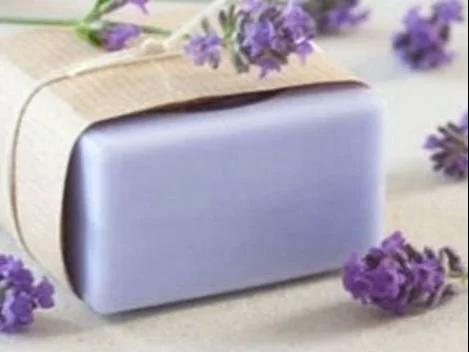
Creating your own lavender soap using the cold process method is not only rewarding but also fills your home with a delightful aroma that soothes the senses. This step-by-step guide will walk you through the ins and outs of making your own lavender soap, perfect for beginners and seasoned DIY enthusiasts alike.
Why You Will Love This Recipe
Lavender soap is cherished for its calming fragrance and skin-loving properties. It makes a fantastic gift for loved ones or a luxurious treat for yourself. By making your own soap, you can customize the ingredients to meet your preferences and even explore various scents and properties of essential oils. With this lavender soap cold press recipe, you’ll learn how to combine natural ingredients to create a beautiful, fragrant bar that’s great for everyday use.
Ingredients
To create your lavender soap via the cold press method, you will need the following ingredients:
- Water: 380g (around 13.4 ounces)
- Lye (Sodium Hydroxide): 145g (around 5.1 ounces)
- Olive Oil: 250g (around 8.8 ounces)
- Coconut Oil: 200g (around 7.1 ounces)
- Palm Oil: 220g (around 7.8 ounces)
- Lavender Essential Oil: 30g (around 1 ounce)
- Dried Lavender Flowers: 2 tablespoons (optional for decoration)
- Purple or Blue Colorant: A few drops (optional)
Note on Lye
Lye is a caustic substance that requires careful handling. Always use gloves, goggles, and a mask to ensure safety while working with it. Ensure you are in a well-ventilated area, and never add water to lye; always add lye to water.
Equipment
To properly make your lavender soap, gather the following equipment:
- Digital scale
- Heat-resistant glass or plastic container for mixing lye
- Mixing bowls
- Stick blender
- Soap mold (silicone molds work best)
- Thermometer
- Safety gear (gloves, goggles, mask)
- Spatula
- Measuring spoons
- Kitchen scale
Step-by-Step Instructions
Preparation Time: 15 minutes
Making Time: 24 hours (plus curing time)
Approximate Yield: 10 bars of soap
Follow these steps to create your lavender soap:
Prepare Your Workspace: Clean your workspace thoroughly and lay out all your equipment. Ensure you are wearing your safety gear.
Measure the Lye: In a well-ventilated area, carefully weigh out the lye using the digital scale. Use a heat-resistant container to help prevent any accidents.
Mix the Lye and Water: Slowly pour the lye into the measured water. Stir gently until it is completely dissolved. This mixture will heat up and may emit fumes, so step back and allow it to cool to between 100-110°F (37-43°C).
Measure the Oils: While the lye solution is cooling, measure out the olive, coconut, and palm oils. Combine them in a separate bowl.
Heat the Oils: Gently heat the oils in a microwave or double boiler until they reach about 100-110°F (37-43°C).
Combine Mixtures: Once both the lye solution and oils are at the right temperature, slowly pour the lye into the oils. Use a stick blender to mix the substances together until you reach “trace,” which means the mixture thickens to a pudding-like consistency.
Add Additives: When you’ve reached trace, add the lavender essential oil, dried lavender flowers, and colorants if desired. Blend gently to incorporate.
Pour into Molds: Carefully pour the mixture into your prepared soap molds. Tap the molds gently to eliminate any air bubbles.
Insulate the Molds: Cover your molds with a towel or blanket to insulate them, allowing the soap to saponify for 24 hours.
Unmold and Cure: After 24 hours, carefully unmold your soap and cut it into bars. Place them on a drying rack in a cool, dry place and let them cure for 4-6 weeks.
Tips for Success
- Use a Reliable Soap Calculator: Double-check your lye measurements using a reliable soap calculator to ensure safety and accuracy.
- Stay Within Temperature Limits: Keep both your lye solution and oils within the specified temperature range for the best results.
- Be Patient with Curing: Allow your soap to cure fully; this process is crucial for achieving the desired quality and safety.
Common Mistakes to Avoid
- Not Wearing Safety Gear: Always use proper safety gear when working with lye to prevent injuries.
- Skipping Lye Calculation: Never skip the lye calculation step; it’s essential for safety and effectiveness.
- Not Allowing Sufficient Curing Time: Cutting soap too early can lead to an undesired and harsh product. Always wait the full curing time.
Variations and Customization Ideas
- Different Essential Oils: Substitute lavender with other essential oils, such as chamomile, rosemary, or peppermint, for a different scent profile.
- Natural Colorants: Experiment with other natural colorants like spirulina or beetroot powder for a unique hue.
- Exfoliants: Add small amounts of oats or coffee grounds for texture and exfoliating benefits.
Storage and Shelf Life
Store your lavender soap in a cool, dry place away from direct sunlight. Properly cured, it can last for up to a year. If you notice any discoloration or smell, it’s best to discard it.
Safety Tips
- Always read and follow safety instructions when handling lye.
- Keep lye and other soap-making supplies away from children and pets.
- Work in a well-ventilated area to avoid inhaling fumes.
Frequently Asked Questions
1. Can I use other oils besides those listed?
Yes, you can substitute oils as long as you recalculate the lye necessary for those oils using a soap calculator.
2. What is the difference between cold process and hot process soap-making?
Cold process involves mixing oils and lye without external heat, while hot process uses heat to speed up saponification. Cold process soap typically has a smoother texture and retains more fragrance.
3. Can I add color to my soap?
Absolutely! You can use mica powders or natural colorants like turmeric to give your soap a lovely hue.
4. How long should lavender soap cure before it’s safe to use?
Allow your soap to cure for 4-6 weeks to ensure it is safe and gentle on your skin.
5. What if my soap has a lye-heavy smell?
If your soap has a strong lye smell, it may not have saponified properly; in such cases, it’s safest to discard it.
6. Can I add more essential oil for a stronger scent?
You can increase the essential oil amount; however, stay within safe limits to prevent skin irritation.
Conclusion
Making lavender soap using the cold process method is a gratifying journey that introduces you to the art of DIY crafting. By following the steps laid out in this guide, you’ll not only create something beautiful and fragrant, but you’ll also gain confidence in your crafting skills. Don’t hesitate—gather your ingredients and start crafting your own homemade lavender soap today! Happy soaping!